

 Platform Overview

 Integration Hub

 Agent One™

 Agent One Teams™

 Customer Data Management

 Personalization

 Journey Orchestration

 Reporting & Data

 Behavioral Analytics

 Web
Web

 Email
Email

 Site Search

 Conversational CX

 WhatsApp

 Web Push

 InStory

 App
App

 SMS & RCS

 Join the $0 Migration Movement™

 The Insider One Difference

 Compare Vendors

 Switch to Insider One

 Success Story

 Retail & Ecommerce

 Financial Services

 Travel & Hospitality

 Beauty & Cosmetics

 Automotive

 Telecommunications

 Total Economic Impact™ Study

 Blog
Blog

 E-Books & Guides

 Events

 Glossary
Email Personalization Strategies That Actually Move Engagement Metrics

Updated on 11 Aug 2026
8 min.
Table of Contents
- Summary
- Why 'dear [first name]' personalization stopped working
- Building the data foundation before you personalize anything
- Behavioral triggers that outperform scheduled campaigns
- Dynamic content blocks and AI-assisted copy at scale
- Measuring what actually proves personalization ROI
- Conclusion
- Frequently Asked Questions
Most Popular
Summary
- Merge-field personalization plateaus fast; lifecycle-stage and behavior-triggered send logic is what actually lifts opens and clicks.
- A unified data layer across your customer relationship management (CRM) system, customer data platform (CDP), and email platform is the prerequisite, not an afterthought.
- Behavioral triggers like browse abandonment and lifecycle-stage shifts consistently outperform fixed calendar sends.
- Dynamic content blocks let you swap product, offer, or tone by segment without rebuilding templates every time.
- Isolate personalization’s real lift with holdout groups and a disciplined testing cadence stakeholders can actually trust.
Email personalization strategies that move engagement metrics start with how your data is structured, not with how clever your subject line sounds. A common pattern still treats personalization as a copywriting layer: insert a first name, maybe a product image, and call it done.
That approach plateaus fast because it never accounts for where a subscriber actually sits in their relationship with your brand.
Real personalization means recognizing lifecycle stage, recent behavior, and intent signals, then triggering messages automatically instead of scheduling the same campaign for an entire list. It treats the inbox as a live feedback loop rather than a broadcast channel.
This is written for lifecycle and customer relationship management (CRM) marketers at mid-to-large B2C and B2B software-as-a-service (SaaS) companies who are past the merge-tag stage and ready to build behavior-triggered, artificial intelligence (AI)-assisted send logic that scales.
You’ll get a practical path from data foundation to trigger design, dynamic content, and the measurement framework that proves personalization is actually working, not just assumed to be.
Why ‘dear [first name]’ personalization stopped working
Merge-field personalization stopped working because inboxes are saturated with the same trick, and subscribers now expect relevance tied to what they’ve actually done, not just who they are.
A first name in a subject line was a novelty a decade ago. Today it’s noise, easily ignored by anyone scanning a crowded inbox for something that speaks to their actual situation.
The real gap sits between surface-level personalization and true one-to-one personalization at the lifecycle level. A trial user three days into onboarding and a customer five years into renewal cycles often receive the identical nurture email, differing only by name.
That’s not personalization; it’s a mail merge with better branding. Lifecycle marketers know this frustration well: the data to tell these two subscribers apart already exists somewhere in the stack. It’s just never made it into the send logic that decides what actually goes out.
Building the data foundation before you personalize anything
You cannot personalize an email until behavioral, transactional, and preference data live somewhere the email platform can act on in real time.
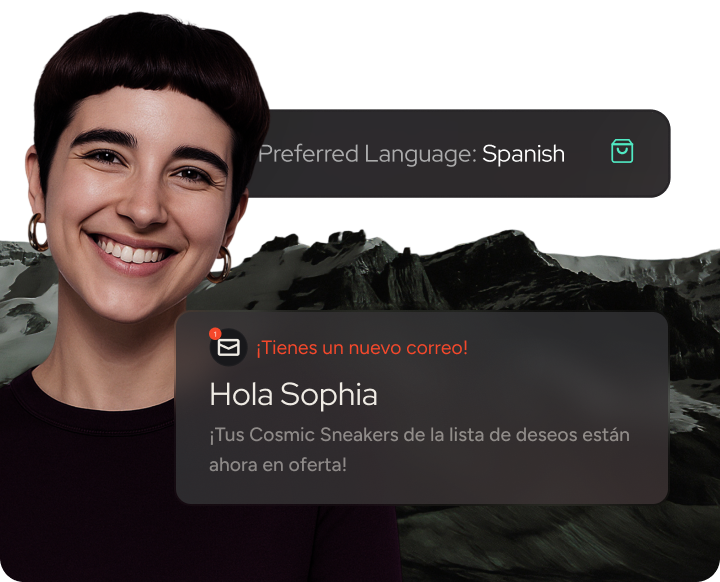
Personalization tactics fail less often because of weak copywriting and more often because the underlying data model was never built to support them.
Unifying behavioral, transactional, and preference data
Behavioral data (browsing, clicks, app activity), transactional data (purchases, subscription tier, contract stage), and stated preferences (channel opt-ins, content interests) typically live in separate systems: your CRM, your customer data platform (CDP), and your email service provider (ESP).
Personalization strategies fail when these three sources aren’t unified into one profile the send engine can query at the moment of decision.
A Customer Data Management layer, built as a single actionable profile rather than a reporting warehouse, is what makes lifecycle-stage segmentation possible instead of theoretical.
Common data hygiene mistakes that silently break personalization
A few recurring issues quietly undermine even well-designed programs:
- Duplicate or fragmented profiles that split one customer’s behavior across two records, hiding true engagement history
- Stale lifecycle-stage tags that never update after onboarding, so long-tenured customers still get “welcome” messaging
- Preference data collected once and never refreshed, so opt-outs or interest changes go unreflected for months
- Event tracking gaps between web, app, and email that leave the send engine blind to recent behavior
Behavioral triggers that outperform scheduled campaigns
Behavioral triggers outperform scheduled campaigns because they respond to a real signal instead of a calendar date, which means the message arrives while intent is still fresh. A triggered email sent minutes after browse abandonment competes with a fundamentally different attention window than a weekly newsletter batch.
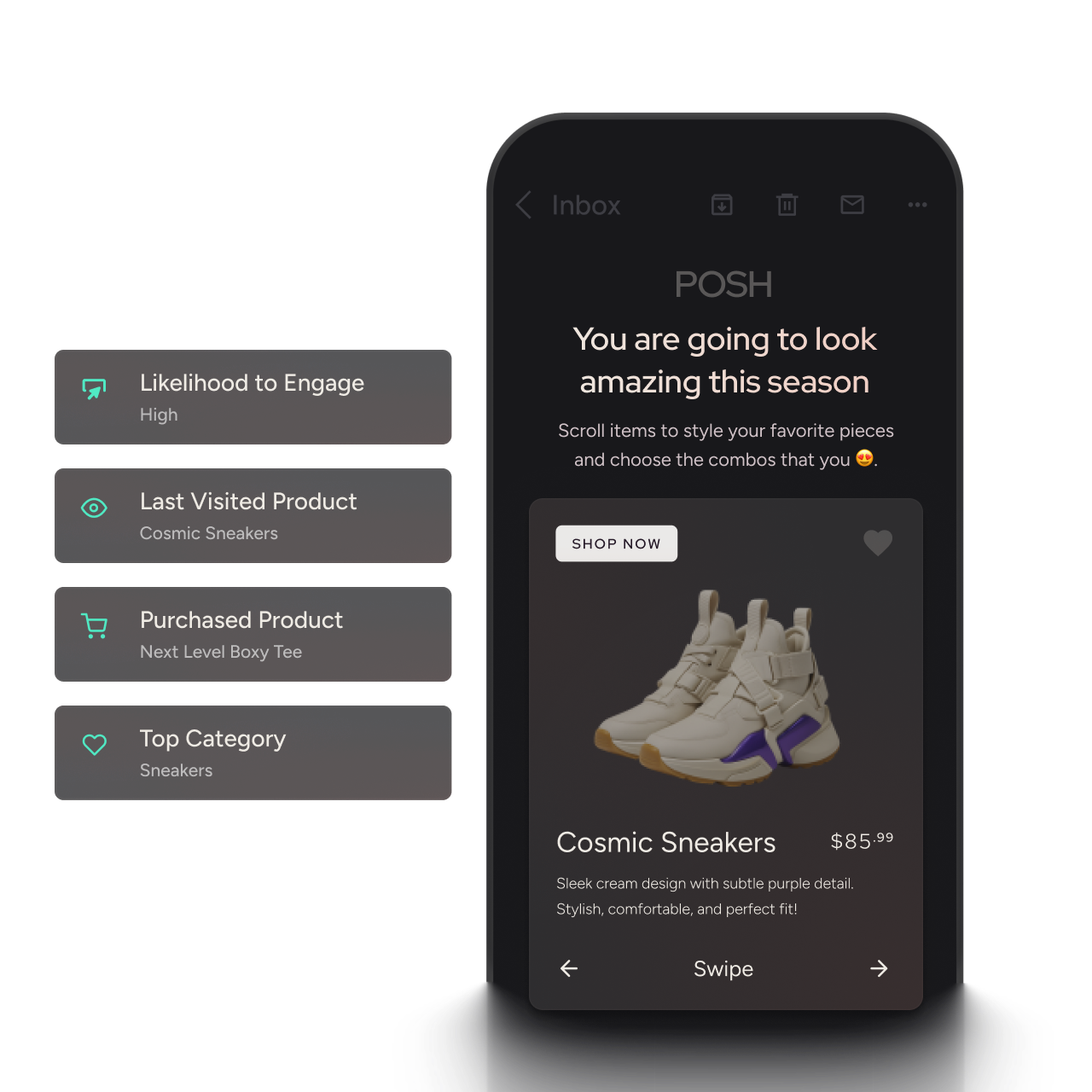
Mapping trigger points across the customer journey
The highest-value trigger points fall into three categories, and each requires different data to fire correctly:
- Browse and cart abandonment, where recency matters more than any other variable
- Lifecycle-stage shifts, such as trial-to-paid conversion, renewal windows, or a B2B lead moving from marketing-qualified to sales-qualified
- Milestone events, including account anniversaries, usage thresholds, or a customer hitting a plan limit
Behavioral trigger email campaigns that convert breaks down how to sequence these without overwhelming a subscriber with competing triggers firing in the same week.
Generali applied this kind of cross-channel lead scoring to identify exactly which lifecycle stage a lead had reached, then used that signal to sequence follow-up communication instead of relying on a fixed nurture calendar, a model documented in the Generali case study that fits long B2B sales cycles.
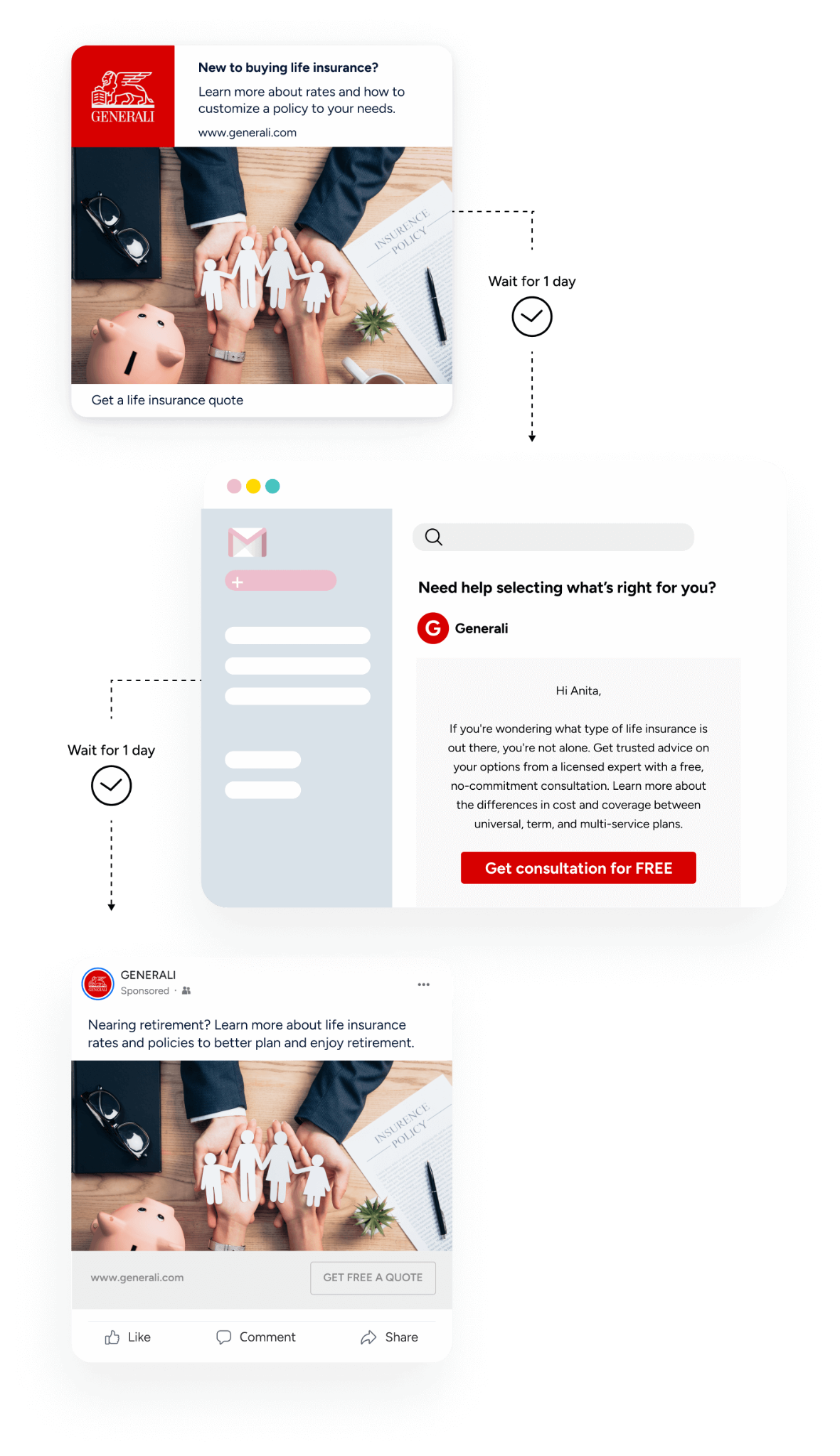
Sequencing triggers with send-time optimization
Firing a trigger at the right moment is not enough if it lands at the wrong hour, since predictive engagement scoring, which analyzes each subscriber’s historical open and click behavior across email, app push, and other channels, can forecast the window in which a person is most likely to engage.
Building this logic into Architect means trigger sequencing and send-time decisions happen together, rather than as two separate systems fighting over the same inbox slot.
Dynamic content blocks and AI-assisted copy at scale
Dynamic content blocks let one email template serve dozens of segments by swapping product, offer, or tone at render time, instead of forcing your team to build a new template for every audience. This is the difference between personalization that scales and personalization that requires a designer for every send.
Modular blocks for product, offer, and tone
A single template built around modular content zones can pull in different recommended products, pricing tiers, or calls-to-action based on the subscriber’s segment and recent behavior, without any manual rebuild.
Levi’s used Smart Recommender to match product recommendations to individual behavior at scale, a model that applies just as directly to email content blocks as it does to onsite merchandising.
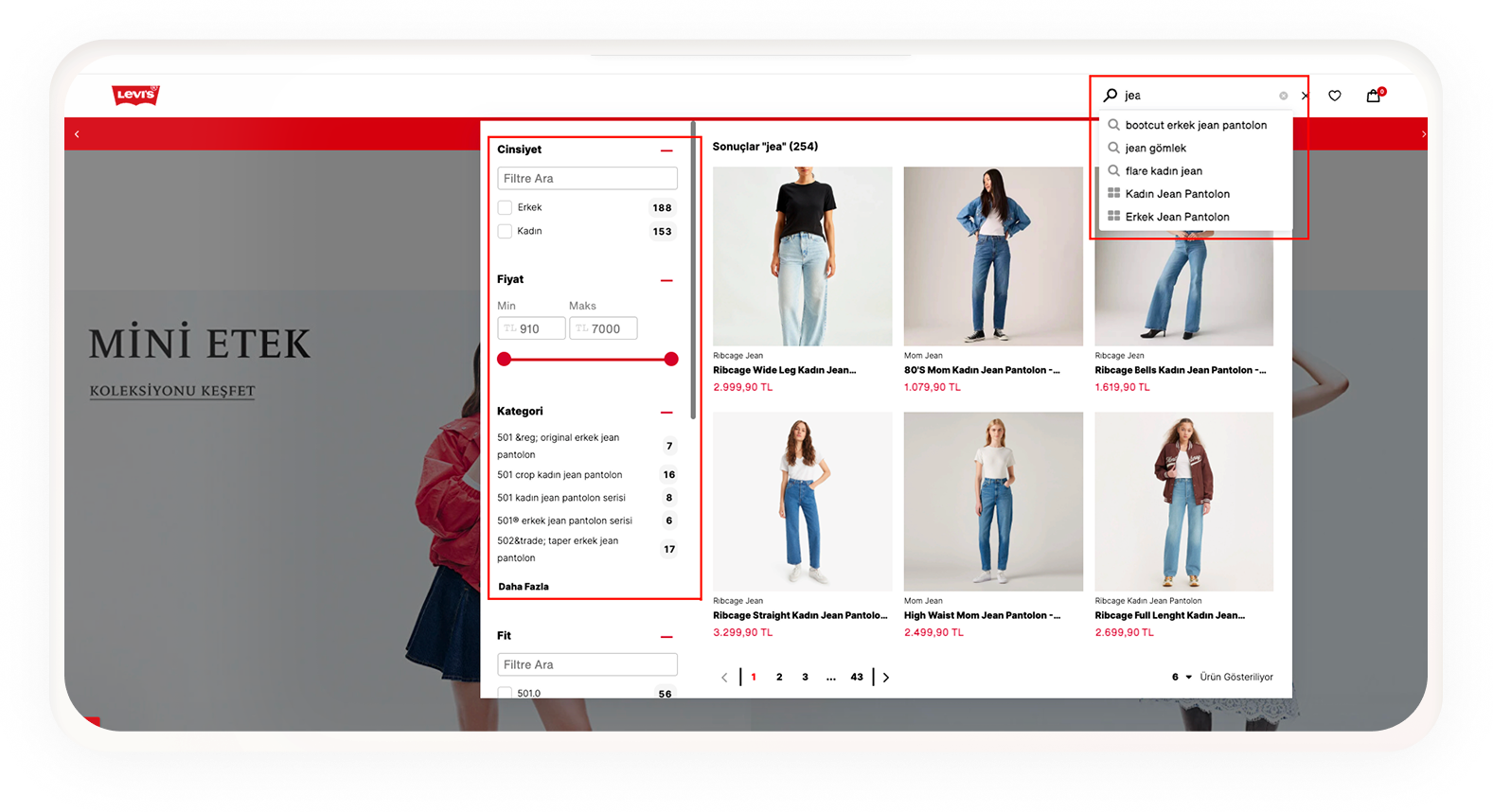
Where artificial intelligence helps and where it introduces risk
AI assisted copy generation, through a capability like Insider One AI™, is genuinely useful for producing subject-line variants, body copy drafts, and tone adjustments across dozens of segments faster than a human team can manually write them.
The risk shows up when AI-generated copy runs unreviewed at scale: brand voice drifts, claims get overstated, and small factual errors propagate across thousands of sends before anyone notices. Treat AI drafting as a first pass that a human editor still approves, not a fully autonomous publishing step.
Measuring what actually proves personalization ROI
The only way to prove personalization’s ROI is to isolate its lift against a baseline, using metrics that separate engagement quality from simple volume.
Open rate alone will not do this; you need metrics that reflect actual behavior change against a comparable group that did not receive the personalized treatment.
Metrics that isolate lift instead of vanity engagement
Useful metrics for this comparison include:
- Click-through rate on personalized versus static control sends to the same segment
- Conversion rate and revenue per email, not just per campaign, isolating the value of individual sends
- Time-to-conversion after a triggered send compared to the equivalent scheduled campaign
- Unsubscribe and complaint rate, which flag when personalization has crossed into intrusive territory
Building a testing cadence stakeholders will trust
A rotating holdout group, excluded from personalized logic and receiving standard sends, gives you a clean baseline to measure against every quarter. Pair that with structured A/B tests for individual trigger points and occasional multivariate tests on high-volume templates.
Leroy Merlin used Architect to orchestrate journey logic that increased ecommerce revenue, a result made credible because it was measured against a defined baseline rather than reported in isolation.
Consistency in cadence matters more than test frequency: a monthly review stakeholders can predict builds more confidence than sporadic one-off experiments.
For deeper tactical grounding, marketer’s guide to email personalization best practices walks through test design in more detail.
Conclusion
Personalization strategies that move engagement metrics are built on data architecture, not clever copy. Unify behavioral, transactional, and preference data first, then let lifecycle stage and real-time behavior drive trigger logic, dynamic content, and send timing.
Measure lift against a real baseline. Teams that treat this as orchestration, not decoration, are the ones seeing engagement and revenue move together.
To evaluate the fit of Smart Recommender, Architect, and Customer Data Management for your use case, book a personalized demo to review your goals, data requirements, and implementation constraints with the Insider One team.
Frequently Asked Questions
It means tailoring send timing, content, and offer based on lifecycle stage and recent behavior, not just inserting a merge field. True personalization recognizes whether a subscriber is a new trial user, an active buyer, or a churn risk, then adjusts the message and timing to match that specific context.
Engagement-based segmentation groups subscribers by behavior, such as open and click recency, rather than static traits like age or location. It identifies responsive, engaged, and unengaged users so you can re-engage inactive subscribers, reward active ones, and protect your sender reputation from unnecessary sends to disinterested contacts.
Browse and cart abandonment triggers typically deliver the fastest wins because recency drives urgency. Lifecycle-stage shifts, like trial-to-paid conversion or renewal windows, follow closely behind for B2B and subscription models, since they align messaging with a moment the subscriber is already primed to act.
No. Artificial intelligence speeds up drafting subject lines, body copy variants, and tone adjustments across segments, but brand voice consistency and factual accuracy still require human review before sends go live at scale.
Run a rotating holdout group that receives standard, non-personalized sends and compare click-through rate, conversion rate, and revenue per email against your personalized segments. Structured A/B and multivariate testing on individual triggers adds further confidence for stakeholders reviewing results quarterly. URL? Added the link

Keep Reading
7 min.

Muharrem Derinkok
4 Jun 2026
11 min.

Chris Baldwin
2 Jun 2026
4 min.
Chris Baldwin
3 Feb 2026