Customer data platform

Why Migrate To a Customer Data Platform?

A customer data platform brings fragmented customer, product, and engagement data into trusted profiles your teams can use. Learn the benefits, challenges, and practical steps for making migration support better customer experiences and measurable growth.

Summary

Migrating to a customer data platform is not simply moving records into a new system. It is the work of unifying identities, improving data quality, and making customer intelligence available to the teams and channels that need it. The right approach replaces disconnected campaigns with timely, relevant experiences built from a single customer view.
Unified customer data

Bring fragmented customer data into one view

Unified customer data

Bring fragmented customer data into one view

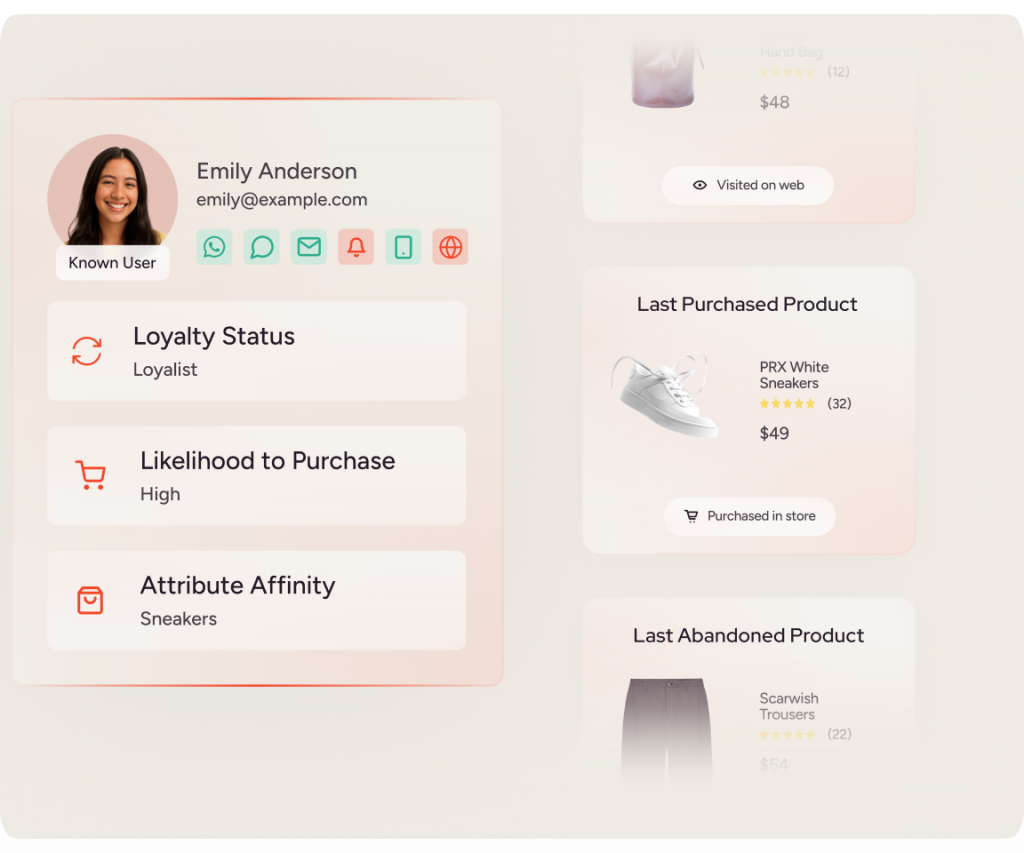
Customer data often sits across CRM systems, ecommerce platforms, analytics tools, advertising platforms, and engagement channels. A CDP connects those sources into unified profiles so teams can understand interactions in context. That shared view makes it easier to target audiences accurately and reduce duplicated effort.

Migration benefits

Make customer data actionable across every channel

Migration benefits

Make customer data actionable across every channel

A migration pays off when data can move from collection to activation without manual handoffs. Unified profiles help marketers build segments from behaviours, preferences, and customer attributes, then use those insights across web, email, app, WhatsApp, and other channels. Teams can spend less time reconciling reports and more time improving the experience.

Better decisions

Give every team a reliable foundation for analysis

Better decisions

Give every team a reliable foundation for analysis

A migration is also an opportunity to establish the events, identities, and metrics your business needs to understand customer behavior. With cleaner data and unified profiles, teams can analyze customer activity, conversion funnels, audience performance, and channel reachability from a more consistent foundation. This reduces the risk of decisions being based on conflicting versions of customer data.

Migration value

What a customer data platform migration can change

The most valuable migrations improve how data is collected, understood, and activated.

Unified profiles

Connect customer, engagement, and product data into a single profile that gives teams a clearer view of each interaction and relationship.

More precise audiences

Build audiences with customer attributes, preferences, and behaviours, so campaigns are relevant to the people most likely to respond.

Connected experiences

Use the same customer intelligence across channels to make journeys more consistent, timely, and responsive to individual actions.

Clearer performance data

Bring behavioural and conversion insights together, helping teams identify what is working and where customer journeys need attention.
Migration planning

Build a practical path to unified customer data

See how Insider One can help connect your data sources, create trusted profiles, and activate them across your customer experiences.

Migration challenges

Address data complexity before it becomes an implementation problem

Migration challenges

Address data complexity before it becomes an implementation problem

A CDP migration can expose duplicate identities, inconsistent event names, incomplete consent records, and unclear ownership across teams. Treating those issues as implementation details creates delays later. A clear data model, agreed success measures, and a phased activation plan make migration easier to govern.

Data readiness

Start with the data needed for your highest-value use cases

Data readiness

Start with the data needed for your highest-value use cases

Do not begin by moving every available field. Start with the customer, product, and event data needed to support priority use cases, such as onboarding, cart recovery, back-in-stock journeys, or re-engagement. This approach creates an early proof of value while giving your team time to improve less critical data sets.

Common obstacles

Challenges to solve during a CDP migration

Address these areas early to avoid carrying old data problems into a new platform.

Duplicate identities

Establish how records are matched and managed across known and anonymous interactions, so profiles are accurate enough to support meaningful activation.

Data ownership

Define who owns event standards, consent handling, access controls, and changes to the data model before implementation begins.

Inconsistent events

Audit event names and properties, then standardize the data your teams need to measure behaviour and build dependable audiences.

Unclear operating model

Align marketing, data, and technology teams on responsibilities, workflows, and the first use cases they will launch together.
Make migration manageable

Move from fragmented data to coordinated customer experiences

Connect your sources, build unified profiles, and activate customer intelligence where it can make a difference.

Migration checklist

Four practices for a stronger CDP migration

Keep implementation decisions tied to the customer experiences and business outcomes you want to improve.

Define success first

Set the use cases, measures, and customer outcomes that will show whether migration is delivering value for your business.

Audit source data

Review data sources, event quality, identity rules, and consent records before connecting them to your new customer data platform.

Launch priority journeys

Activate a focused journey first, validate the experience and reporting, then extend the model to more channels and audiences.

Improve continuously

Monitor data collection and audience health, then refine segments, journeys, and governance as your customer strategy evolves.
Customer story

Belgian Cycling Factory accelerated campaign execution with personalized customer journeys

Customer story

Belgian Cycling Factory accelerated campaign execution with personalized customer journeys

"No one bike fits all, and this is also true of customer experiences. Insider One is the perfect partner to help us deliver personalized customer journeys that unlock new revenue and maximize customer lifetime value."

Gert Thora, Chief Information Officer

Belgian Cycling Factory

Read the case study

Belgian Cycling Factory results

Reported results from Belgian Cycling Factory’s customer data and journey activation work with Insider One.

6X

faster campaign execution Challenge

6X

faster campaign execution SUCCESS STORY #3

30X

return on investment Web & mobile web Read more

8%

increase in AOV

Loved by brands, trusted by analysts

IDC Agentic
Gartner MQ
Gartner VOC MMH
Gartner VOC Pers.
Forrester Wave
Forrester EOP
IDC Omnichannel
G2
IDC Agentic
Gartner MQ
Gartner VOC MMH
Gartner VOC Pers.
Forrester Wave
Forrester EOP
IDC Omnichannel
G2
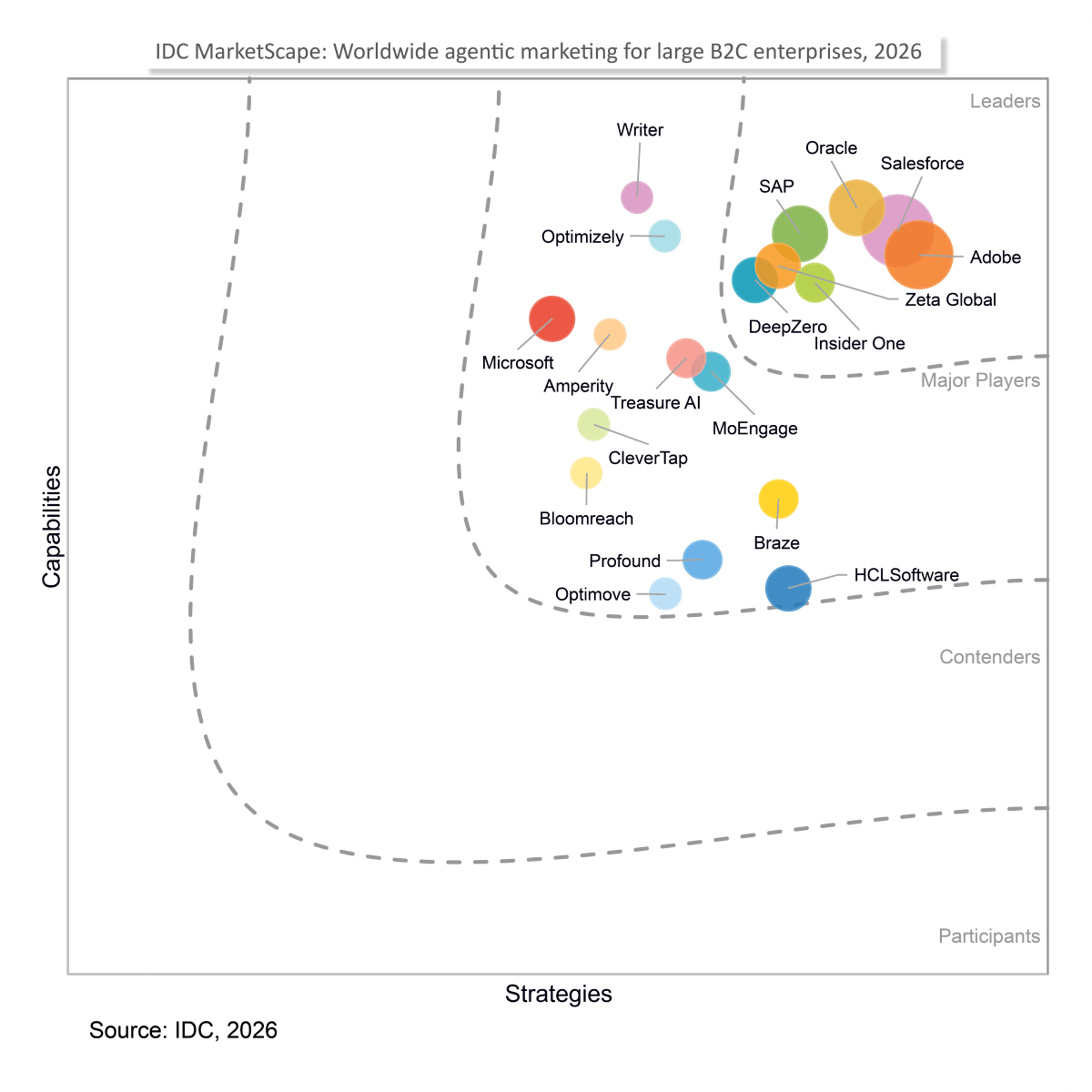
Insider One named a 2026 IDC Marketscape Leader for Agentic Marketing
Learn more

Conversational Agents

AI Orchestration

AI Composable

Insider One named a 2026 Gartner® Magic Quadrant™ Leader for Personalization Engines
Learn more

Marketing 3.99/5.0

Digital Commerce 4.11/5.0

Services and Support 3.94/5.0

Insider One Recognized as a 2026 Gartner Peer Insights™ Customers’ Choice for Multichannel Marketing Hubs
Learn more

Product Capabilities 4.9/5.0

Sales Experience 4.9/5.0

Deployment Experience 4.8/5.0

Support Experience 4.9/5.0

Insider One Recognized as a Gartner Peer Insights™ Customers’ Choice for Personalization Engines ‘25
Learn more

Overall Rating 4.8/5.0

Support Experience 4.9/5.0

Sales Experience 4.7/5.0

Willingness to Recommend 100/100

Insider One recognized as a leader in The Forrester Wave: Cross-Channel Campaign Management (Independent Platforms)
Learn more

Personalization

Innovation Strategy

Platform Architecture

Predictive Analytics

Machine Learning

Insider One recognized as a Leader in The Forrester Wave™: Experience Optimization Platforms, Q4 2024
Learn More

Generative AI

Personalization

Segmentation

Analytics

Insider One named a leader in the IDC MarketScape for Worldwide Omnichannel Marketing Platforms
Learn more

Personalization

Channel Breadth

AI / Machine Learning

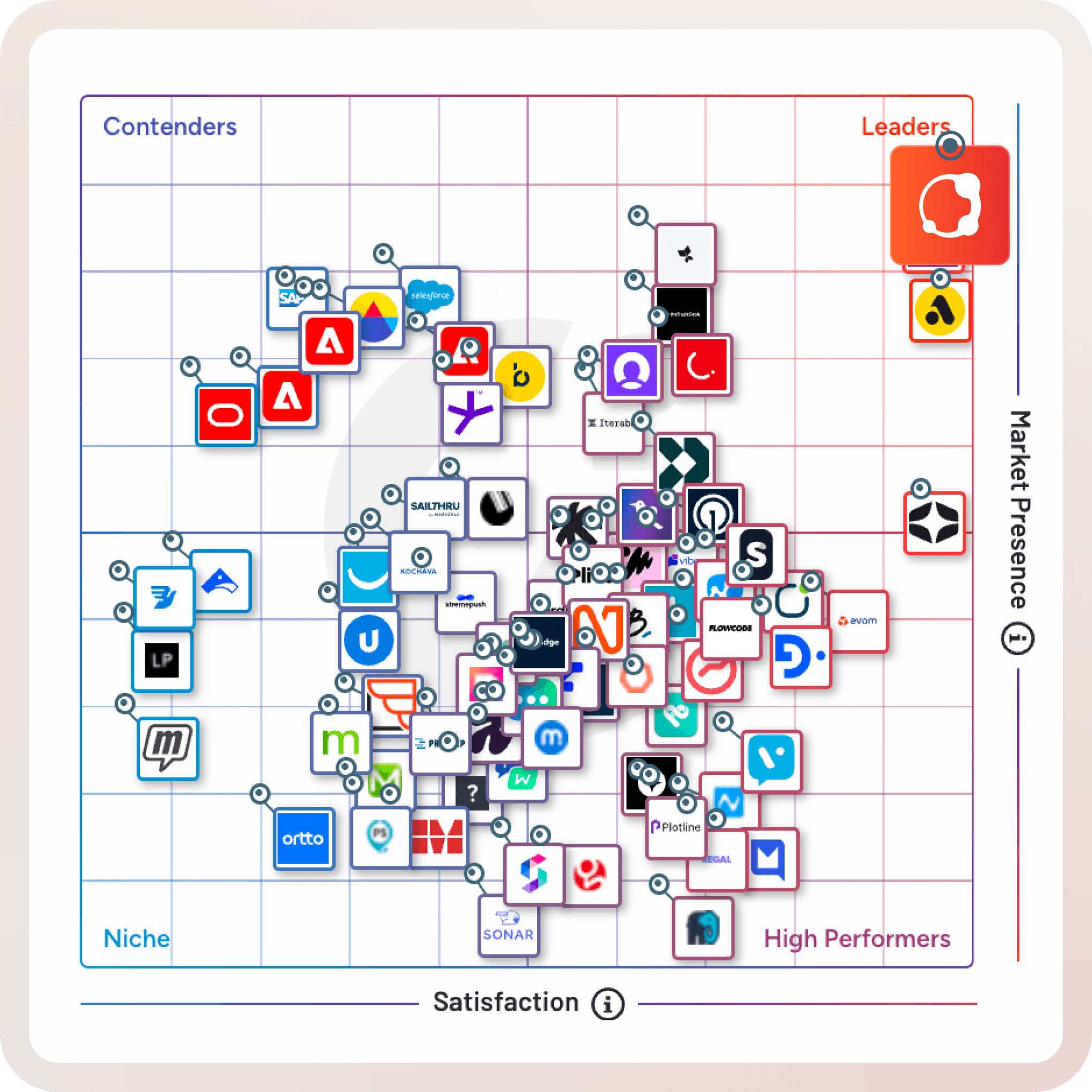
Insider One tops G2’s Fall ’26 reports as the Top Leader across 14 Categories
Learn more

Personalization Software

CDP

Mobile Marketing

SMS Marketing

WhatsApp Marketing

6 more categories

Customer data platform migration FAQs

Why migrate to a customer data platform?

A customer data platform helps bring customer data from multiple sources into unified profiles that teams can use for segmentation, analysis, personalization, and journey activation. Migration can reduce data siloes and give marketing, data, and customer teams a more consistent view of customer interactions.

What are the main benefits of a CDP migration?

The main benefits include a clearer customer view, more precise audience targeting, better cross-channel coordination, and more reliable reporting. A CDP can also help teams use behavioural, preference, and engagement data to make experiences more relevant and reduce wasted campaign activity.

What data should be migrated to a customer data platform first?

Start with the data required for your highest-priority customer journeys and measures. This commonly includes customer identifiers, consent information, product data, and key behavioural events. Beginning with a focused scope makes it easier to validate quality and activate useful experiences sooner.

How long does a customer data platform migration take?

Timing depends on the number of data sources, the quality of existing data, identity requirements, and the use cases in scope. A phased migration can shorten time to initial value by starting with priority sources and journeys, then expanding after validation.

What are common customer data platform migration challenges?

Common challenges include duplicate customer records, inconsistent event definitions, incomplete consent data, unclear ownership, and trying to migrate too much data at once. A shared data model, governance plan, and phased rollout help teams address these issues before they affect activation.

How do you measure CDP migration success?

Measure success against the business outcomes and operational improvements you defined before implementation. Track data quality, profile coverage, audience usability, journey launch speed, and the performance of the customer experiences the platform enables.