

 Platform Overview

 Integration Hub

 Agent One™

 Agent One Teams™

 Customer Data Management

 Personalization

 Journey Orchestration

 Reporting & Data

 Behavioral Analytics

 Web
Web

 Email
Email

 Site Search

 Conversational CX

 WhatsApp

 Web Push

 InStory

 App
App

 SMS & RCS

 Join the $0 Migration Movement™

 The Insider One Difference

 Compare Vendors

 Switch to Insider One

 Success Story

 Retail & Ecommerce

 Financial Services

 Travel & Hospitality

 Beauty & Cosmetics

 Automotive

 Telecommunications

 Total Economic Impact™ Study

 Blog
Blog

 E-Books & Guides

 Glossary
Targeted Email Marketing Examples That Turn Cold Subscribers Into Buyers

Updated on 5 Aug 2026
7 min.
Table of Contents
- Summary
- Why batch-and-blast emails are quietly killing your conversion rate
- Mapping targeting tactics to each stage of the buyer journey
- Behavioral triggers that convert better than demographic segments
- Building B2B-specific targeting without a full data team
- Testing, ethics, and guardrails for targeted campaigns
- Conclusion
- FAQs
Most Popular
Summary
- Map every send to a funnel stage: cold, engaged, active buyer, or lapsed, not just “new” versus “everyone else”
- Behavioral triggers like browse and cart abandonment consistently outperform demographic-only segments because they capture intent, not just identity
- Lean B2B teams can build account-based targeting by combining CRM lifecycle stage with email engagement scoring, without a dedicated data science team
- Test the segmentation logic itself, not only subject lines, to find out which targeting decision actually moved conversion
- Consent and data minimization keep targeted campaigns trusted enough to keep converting over time
Targeted email marketing means sending a subscriber the message that matches where they actually stand in the buying journey, not the newsletter you send everyone else.
For mid-market and B2B marketing managers running lifecycle programs without a dedicated data science team, that distinction determines whether email drives revenue or just adds to inbox noise.
This article maps specific targeting tactics, not generic personalization tips, to four funnel stages: cold subscriber, engaged lead, active buyer, and lapsed customer.
You’ll see a concrete message and call-to-action for each stage, learn which behavioral trigger to build first when resources are tight, and get a lightweight approach to B2B account-based targeting that doesn’t require a full martech stack.
We’ll also cover the consent and testing practices that keep targeted campaigns effective and defensible. By the end, you’ll have a transferable framework you can apply on any email platform, not a feature list tied to one vendor.
Why batch-and-blast emails are quietly killing your conversion rate
Sending one email to an entire list treats a subscriber who opened your last five campaigns the same as one who hasn’t clicked in months, and that flattening is where conversion problems start.
Segmented sends speak to a specific intent or stage, while batch-and-blast content aims for the lowest common denominator, so the message ends up technically relevant to almost no one on the list.
The cost compounds quietly. When every subscriber gets the same frequency and content regardless of engagement, inbox providers start reading the pattern too.
Low open rates on broad sends signal that content isn’t wanted, which can suppress deliverability for the segments that would have converted if they’d been reached separately.
A batch approach doesn’t just underperform; it drags your best segments down with your worst ones.
This is exactly the gap that engagement-based segmentation closes. A structure like Responsive Users (clicked in the past 60 days), Engaged Users (opened or clicked in 30 days), Super-Engaged Users (clicked in 30 days), and Unengaged Users (no open or click in 90-plus days) gives lifecycle teams a starting logic without custom scoring from scratch.
It’s a practical entry point into the funnel-stage thinking the rest of this article builds on, and it’s available directly inside Email campaigns, Architect journeys, or dynamic segments.
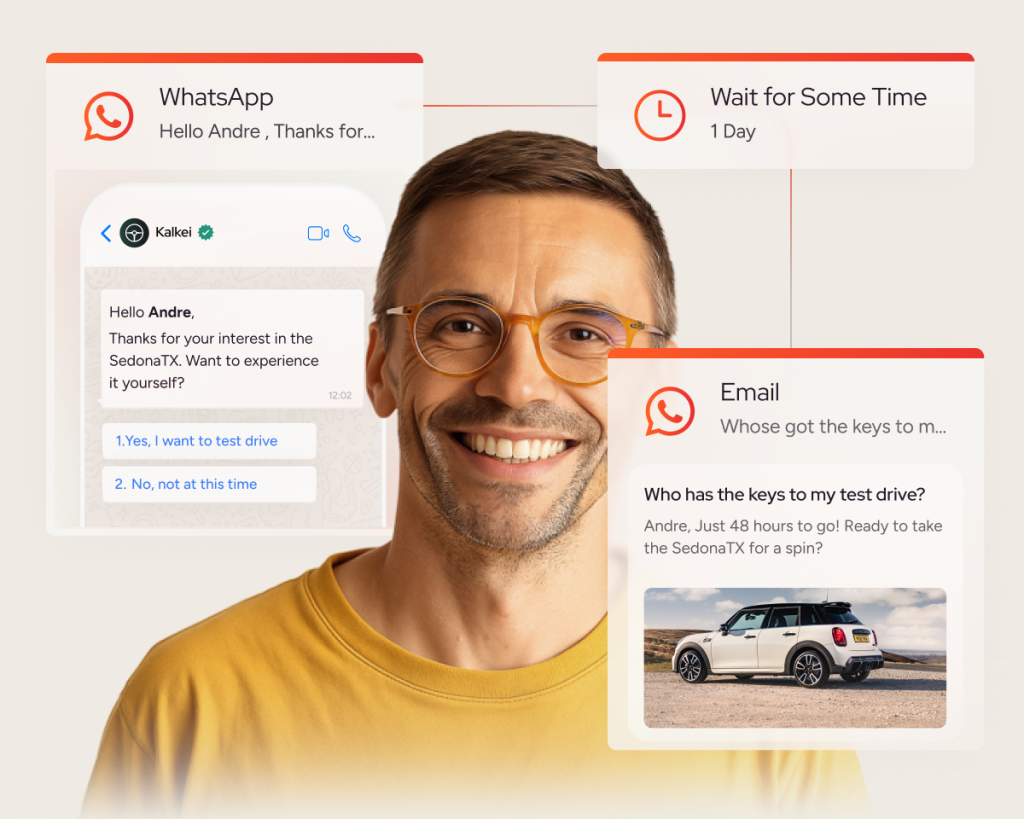
Mapping targeting tactics to each stage of the buyer journey
Every subscriber sits in one of four practical stages: cold, engaged, active buyer, or lapsed, and each stage needs a distinct message goal rather than a variation on the same offer.
Cold subscribers: earn the first click
A subscriber who just joined your list hasn’t earned a hard sell yet. The goal is trust, not transactions.
A welcome series that opens with an educational angle, such as “here’s how our customers actually use this,” and closes with a soft call-to-action like “see how it works” tends to build the credibility a discount code alone can’t.
Engaged leads: nurture toward a decision
Once a subscriber is opening and clicking regularly, they’re evaluating, not just browsing. Comparison content, use-case breakdowns, or a customer story with a specific outcome moves them closer.
A call-to-action like “compare your options” respects where they are instead of forcing a purchase decision too early.
Active buyers: reduce friction at the moment of intent
This is the stage where behavioral signals matter most. A subscriber who added an item to cart or requested a quote needs urgency and reassurance, not more education.
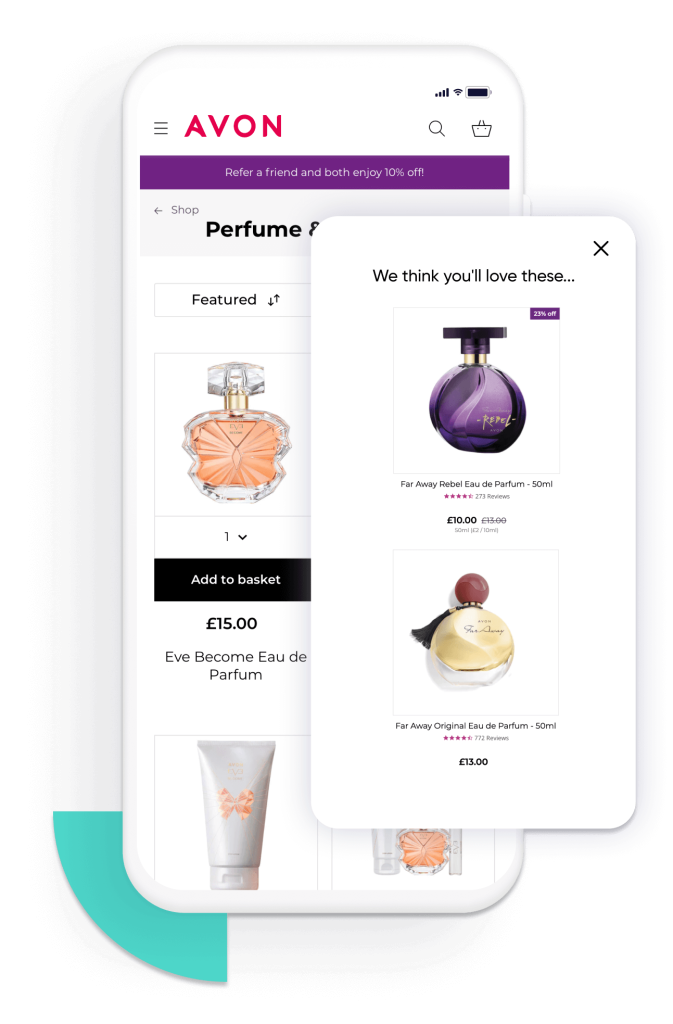
Avon improved conversion rates by up to 78% with Insider One by targeting exactly this moment, pairing timely messaging with a direct “complete your purchase” call-to-action.
Lapsed customers: win back before they unsubscribe
A subscriber whose last open or click was more than 90 days ago (an Unengaged User by the standard definition) is close to churning out of your program entirely. A short “what changed?”
A message with a genuine incentive or a preference-update option converts better than another generic promotion, because it acknowledges the silence instead of ignoring it.
Behavioral triggers that convert better than demographic segments
Behavioral triggers, browse abandonment, cart abandonment, and post-purchase, consistently outperform demographic segmentation because they capture what a subscriber is doing right now, not a static attribute assigned at signup. Age, location, or job title tell you who someone is; behavior tells you what they want.
- Browse abandonment: a subscriber viewed a product or category but didn’t act, so the message should surface that exact item alongside social proof, not a broader promotion
- Cart abandonment: the highest-intent trigger, closest to revenue, and typically the first one lean teams should build given limited engineering time
- Post-purchase: an opportunity for cross-sell or replenishment timed to actual usage patterns rather than a fixed calendar schedule
For teams without a large data or engineering bench, the practical order is cart abandonment first, since it sits closest to the transaction, then browse abandonment, then post-purchase sequencing.
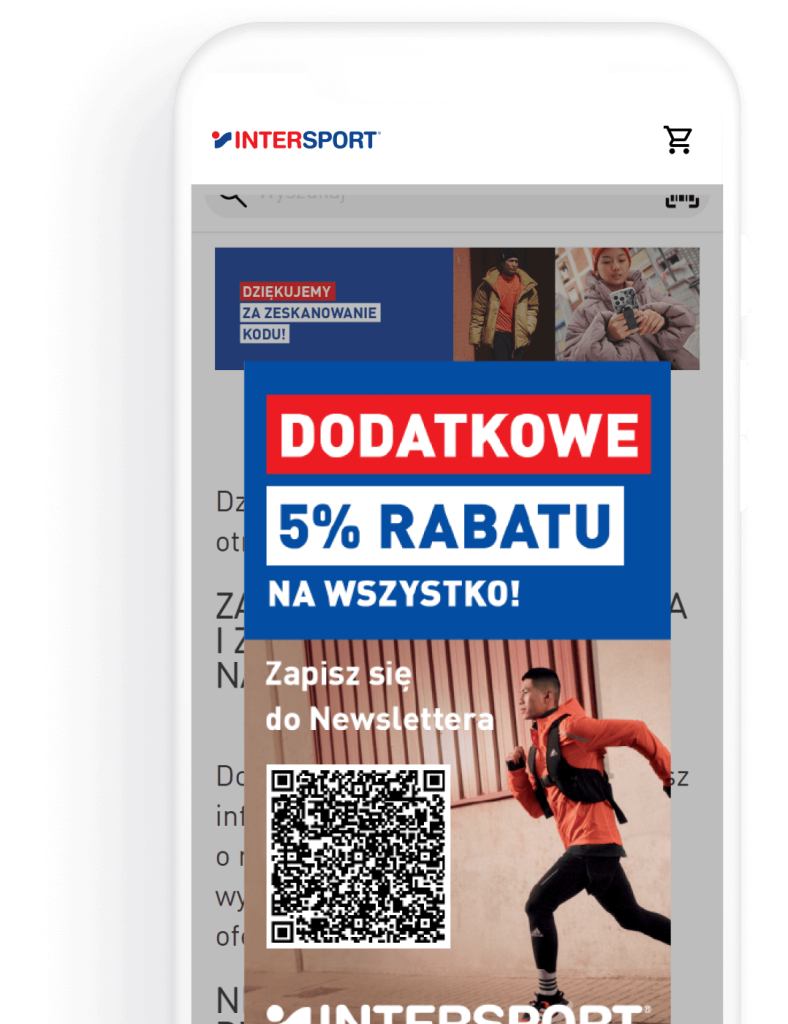
Intersport increased average order value by 4% using personalized onsite promotions tied to this kind of behavioral logic, showing how targeting the moment, not the persona, moves the metric that matters.
Building B2B-specific targeting without a full data team
B2B targeted marketing doesn’t require the account-based infrastructure that enterprise teams build. It requires combining two signals a lean team already has: where an account sits in the CRM lifecycle, and how engaged individual contacts are with your emails.
Lightweight firmographic and intent segmentation
Start with what your customer relationship management (CRM) system already tracks, company size, industry, or deal stage, and layer it with intent signals like a demo request or a pricing page visit.
That combination alone is enough to separate a cold account from one actively evaluating, without a dedicated data science function.
Combining CRM stage with engagement scoring
Pair CRM lifecycle stage with the same engagement tiers used in consumer email: super-engaged, engaged, unengaged, applied at the contact level within an account. A contact marked “opportunity” in the CRM but unengaged in email needs a different message than a “lead” who’s clicking every send.
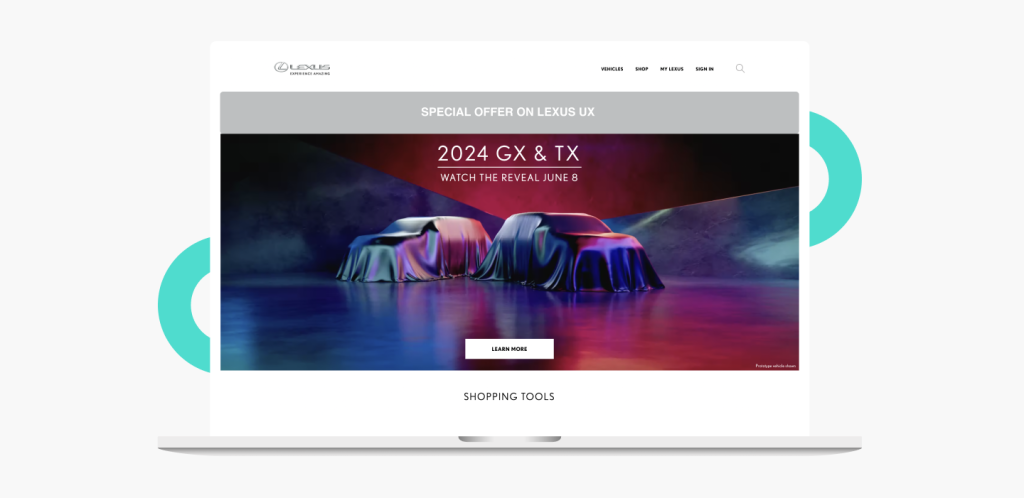
Lexus drove 12X return on investment (ROI) growth with Insider One by tightening exactly this kind of lifecycle-and-engagement alignment for lead follow-up.
B2B email marketing built this way scales without adding headcount, because the logic reuses infrastructure the team already maintains in the CRM and the email platform, rather than standing up a separate scoring model from scratch.
Testing, ethics, and guardrails for targeted campaigns
Targeted email marketing only stays effective if subscribers trust that their data is being used responsibly, which means consent and data minimization aren’t optional extras bolted onto the strategy.
Consent, minimization, and transparency
Collect only what a message actually needs to be relevant, and be direct about how behavioral data drives what a subscriber receives.
Whether targeted advertising is ethical depends heavily on execution: transparent, opt-in-based targeting that improves relevance is a different practice than opaque tracking a subscriber never agreed to, and the distinction matters more to regulators and customers every year.
Testing the segmentation logic, not just subject lines
Most testing programs optimize subject lines and send times while leaving the underlying segment definition untouched.
Test the logic itself: does a 60-day engagement window actually predict conversion better than 30 days? Does cart abandonment outperform browse abandonment for your catalog? Those answers change the targeting framework, not just the copy sitting inside it.
Conclusion
Targeted email marketing isn’t a feature you turn on, it’s a framework mapping specific messages to specific funnel stages, built on behavior rather than assumption.
Cold subscribers, engaged leads, active buyers, and lapsed customers each need a distinct goal, and behavioral triggers will consistently beat demographic-only segments. Build that logic once, on any stack, and it keeps compounding.
To evaluate the fit of Architect for your use case, book a personalized demo to review your goals, data requirements, and implementation constraints with the Insider One team.
FAQs
A welcome series for cold subscribers focused on education, a comparison email for engaged leads, a cart abandonment message with urgency for active buyers, and a “what changed?” win-back for lapsed customers are four concrete examples, each mapped to a distinct funnel stage rather than a single generic template.
Segment by funnel stage, build cart and browse abandonment triggers, use post-purchase cross-sell sequences, apply engagement-tier win-back campaigns, layer CRM lifecycle stage for B2B accounts, and test segmentation logic itself instead of only subject lines. Together, these six form a transferable framework, not a single feature.
Start with a welcome series, build one cart abandonment trigger, segment by engagement tier (responsive versus unengaged), personalize send frequency to activity level, and re-engage lapsed contacts before removing them. Small teams get the most return from prioritizing behavioral triggers over broad demographic segmentation.
It depends on execution. Transparent, opt-in-based targeting that improves message relevance is different from opaque tracking a subscriber never agreed to. Consent, data minimization, and clear communication about how behavioral data shapes messaging are what separate defensible targeting from practices that erode subscriber trust.
B2B targeting adds an account layer: CRM lifecycle stage and firmographic data (industry, company size) combine with individual contact engagement scoring, since multiple people at one account may be at different funnel stages simultaneously. B2C targeting typically works at the individual subscriber level alone.

Keep Reading
7 min.

Muharrem Derinkok
4 Jun 2026
11 min.

Chris Baldwin
2 Jun 2026
4 min.
Chris Baldwin
3 Feb 2026