

 Platform Overview

 Integration Hub

 Agent One™

 Agent One Teams™

 Customer Data Management

 Personalization

 Journey Orchestration

 Reporting & Data

 Behavioral Analytics

 Web
Web

 Email
Email

 Site Search

 Conversational CX

 WhatsApp

 Web Push

 InStory

 App
App

 SMS & RCS

 Join the $0 Migration Movement™

 The Insider One Difference

 Compare Vendors

 Switch to Insider One

 Success Story

 Retail & Ecommerce

 Financial Services

 Travel & Hospitality

 Beauty & Cosmetics

 Automotive

 Telecommunications

 Total Economic Impact™ Study

 Blog
Blog

 E-Books & Guides

 Glossary
8 Customer Retention Marketing Strategies to Reduce Churn in 2026

Updated on 17 Sep 2026
10 min.
Table of Contents
- Summary
- What is retention marketing?
- What are the benefits of retention marketing?
- 8 customer retention marketing strategies for 2026
- Where does personalization fit in retention marketing?
- How do you prioritise retention marketing strategies?
- Getting started with Insider One for retention marketing
- Conclusion
- FAQs
Most Popular
Summary
- Retention marketing keeps existing customers active and profitable from onboarding through reactivation.
- It complements acquisition, with different audiences, costs, and success metrics.
- Key benefits include higher CLV, better economics, more referrals, and stronger product feedback.
- Core strategies include personalization, gamification, customer insights, loyalty, feedback, trials, beta access, and reactivation.
- Start by identifying churn drivers, ownership, and the metrics you’ll report.
- Track NRR, churn, and retention rate, and validate uplift against a holdout group.
Landing a new customer is the exciting part. Keeping the ones you already have is the part that protects margin, and it rarely gets the same budget, headcount or attention.
This guide is for lifecycle, customer relationship management (CRM) and ecommerce marketers who own retention targets.
You will get a working definition, how retention differs from acquisition, the benefits worth putting in a business case, eight strategies you can run this quarter, and a way to decide which to start with.
What is retention marketing?
Retention marketing is a strategy focused on engaging existing customers to maintain loyalty, encourage repeat purchases and reduce churn. It covers every activity aimed at keeping the customers you already have and making them more profitable.
The distinction worth holding onto is between a loyalty programme and retention marketing. A loyalty programme is one tactic. Retention marketing is the wider practice of using customer data to work out who is drifting, who is thriving and who has already gone quiet, then acting accordingly.
How does retention marketing differ from acquisition marketing?
| Retention marketing | Acquisition marketing | |
| Target audience | Current customers | New customers |
| Goal | Keep existing customers engaged and growing | Attract potential new customers |
| Cost | More cost-effective per unit of revenue | Higher upfront costs |
| Success metrics | Retention rate, customer lifetime value, repeat purchase rate | Customer acquisition cost, conversion rate |
| Typical tactics | Personalized marketing, loyalty programmes, service quality, lifecycle messaging | Advertising, social campaigns, promotions |
Acquisition relies on advertising, social campaigns and promotions to attract new customers. Retention relies on relevance: personalized messaging, recognition and service good enough that people come back without being bought back.
These are not an either-or choice. You cannot retain customers you never acquired, and acquisition spend is wasted when those customers lapse after one order.
What are the benefits of retention marketing?
The argument is not that retention should come before acquisition, but that it needs its own budget line rather than whatever is left over.
1. Higher customer lifetime value
A customer you already have is worth more than one you do not, and automated retention campaigns make that customer more valuable still. Engaged customers buy again, accept cross-sells and move up tiers.
Loyalty programmes are one illustration. Accenture research published in 2016 found that loyalty programme members generate 12% to 18% more revenue for retailers than non-members, which is a reasonable proxy for what engaging existing customers is worth.
2. Better cost-effectiveness
The widely cited estimate, from a 2014 Harvard Business Review article, is that acquiring a new customer costs somewhere between five and 25 times more than retaining one.
The multiple depends on your margins, purchase cycle and channel costs, so treat it as a direction rather than a benchmark. The direction itself is not disputed: keeping a customer is cheaper than replacing them, and retention tactics are usually cheaper to run.
3. More referrals
Good support and clear communication produce customers who recommend you. Nielsen’s 2012 study on trust in advertising found 92% of consumers trusted recommendations from people they know above all other forms of advertising, and PwC’s customer experience research found that knowledgeable help and friendly service rank among the most important elements of a positive experience.
4. Helpful customer feedback
Retention depends on relationship building, even at scale. Customers who trust you communicate more honestly, and long-standing customers know your product well enough for their feedback to be specific rather than vague. That makes them your most useful research panel.
8 customer retention marketing strategies for 2026
1. Personalize from the onboarding period
“Existing customer” makes people think of long-standing accounts, but retention starts at the first interaction. Onboarding is a fragile period when customers are still deciding whether you deliver what you promised, and how you behave here sets the tone for the whole relationship.
Personalized onboarding, with tutorials and resources matched to what that customer actually signed up for, builds trust before there is anything to win back.
2. Use gamification to build engagement
Points, badges, streaks and leaderboards give customers a reason to return between purchases, and research into gamification in commerce has linked these mechanics to higher engagement. They work best where repeat visits are already plausible, so pair them with a category people browse often rather than a once-a-year purchase.
3. Build a holistic view of each customer
Personalization is central to retention, and it is impossible without a 360-degree view of each customer.
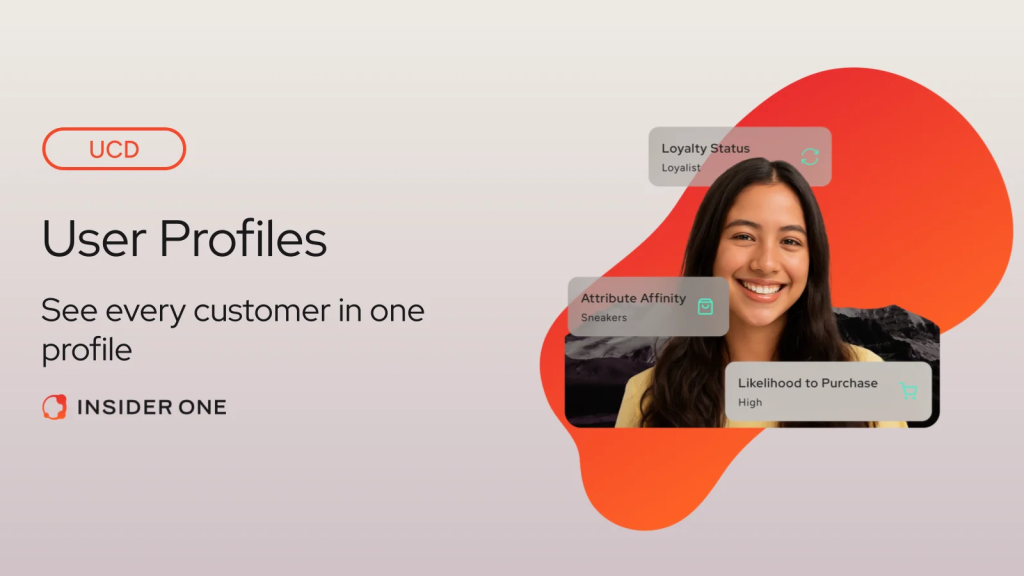
Your customer engagement platform should aggregate data from every touchpoint, including purchase history and prior interactions, into one profile.
Without that, each channel personalizes from a partial view, which is how customers end up being recommended something they bought last week.
4. Offer trials of premium features
Existing customers are not just overlooked, they often feel punished. The best offers go to strangers, while the people who already pay you watch from the outside.
Opening a premium feature temporarily is a low-cost correction. It raises trust and satisfaction, and it frequently surfaces an upgrade that would never have come from a promotional email.
5. Provide beta access to new features
Beta access creates a sense of exclusivity and involvement in where the product is going. You also get feedback from people who already know the product well enough to tell you something useful about it.
6. Celebrate continued loyalty
Long-standing customers are the easiest group to take for granted. Exclusive rewards, member-only discounts and customer spotlights cost little and address the specific feeling that drives quiet churn.
7. Collect feedback and act on it
You know your customers, and they know your business. Short surveys gather their view, but the part that matters is visibly acting on it. Feedback that changes nothing trains customers to stop responding, which costs you the signal as well as the goodwill.
8. Reactivate inactive users
Dormant customers are cheaper to bring back than new ones are to acquire. Targeted offers, personalized content and exclusive deals delivered through marketing automation can restore lifetime value without new acquisition spend. Separate the high-value lapsed customers from the wider dormant list, since the two justify very different levels of incentive.
Where does personalization fit in retention marketing?
We’ve mentioned personalization a few times, but what does this actually mean? It involves far more than simply including a “first name” variable in your retention email marketing campaigns. Here are a few creative ways you can incorporate personalization in your retention marketing strategies:
- Welcome messages: Greet new customers with a personalized welcome message that includes helpful resources or other offers tailored to their preferences.
- First purchase coupons: Encourage new users to make their first purchase by offering them personalized discounts on products, especially if it’s a discount for a product you know they’ve already viewed.
- Birthday offers: Send some birthday love in the form of special offers or discounts as an added personal touch.
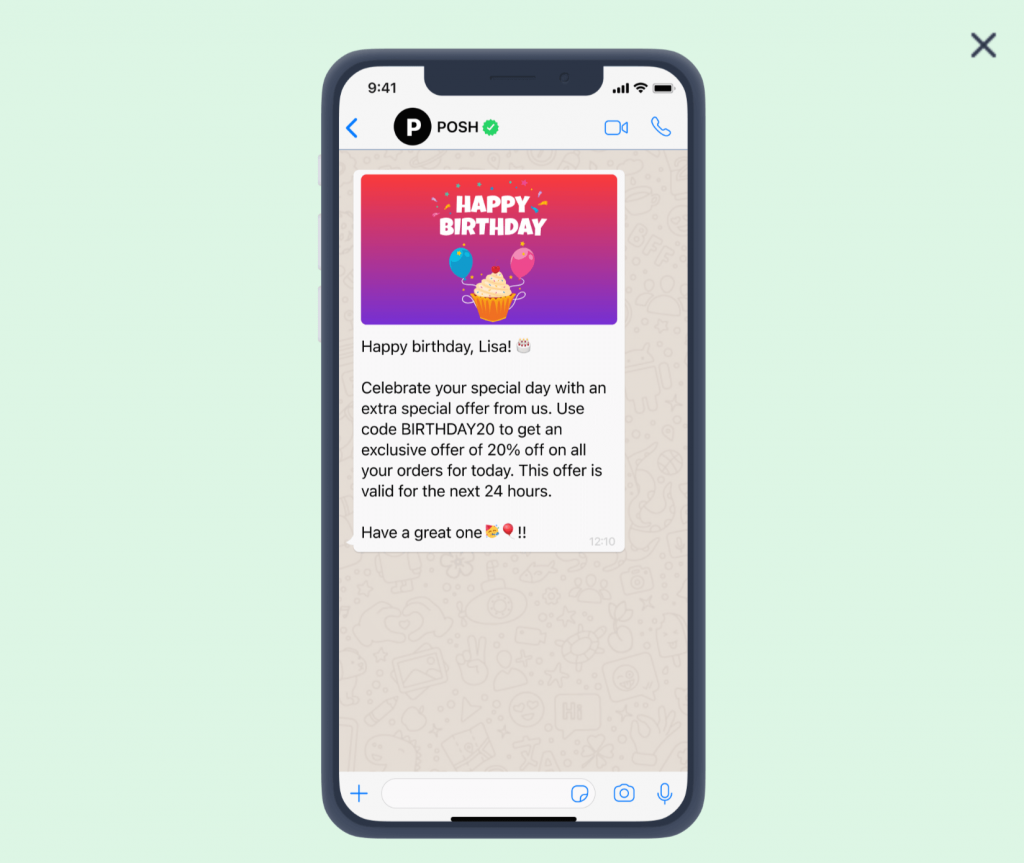
- Anniversary offers: Similarly, recognize a customer’s anniversary with your business by offering a personalized coupon or discount.
- Targeted recommendations: Provide your most active customers with exclusive recommendations based on their preferences and purchase history.
- Renewal or repurchase prompts: Use data on customers’ purchase history to swoop in with timely replenishment or renewal reminders for products that are running low or subscriptions that are about to come due.
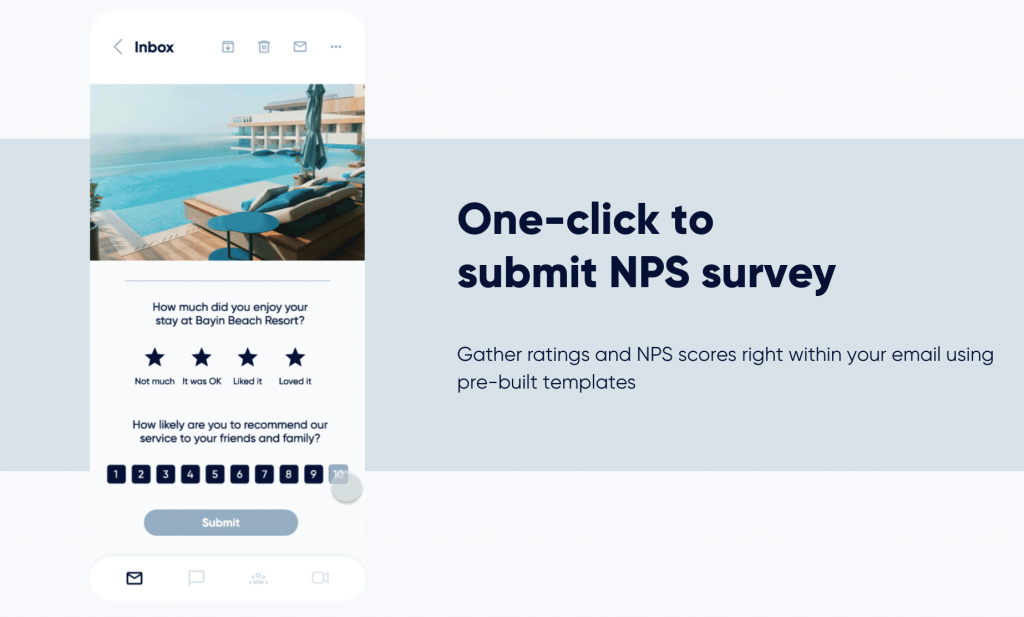
- Post-purchase feedback: After a purchase, ask customers for feedback through personalized surveys or friendly follow-up emails.
How do you prioritise retention marketing strategies?
There is no shortage of tactics. Three decisions come first.
1 Pinpoint the causes of churn
Work through your customer data to find where people are actually dropping off, whether that is onboarding, support, pricing or product issues. Targeted strategies beat generic ones, and you cannot target a cause you have not identified.
2. Decide who owns churn
Is retention owned by marketing, support or customer success? In most organisations the honest answer is that all three assume one of the others has it. Name the owner before you plan the campaigns.
3. Agree your retention metrics
Align on what you will report before the first campaign runs. The options worth considering:
- Retention rate, the headline measure of whether the programme is working.
- Churn rate, which tells you whether there is a problem to fix.
- Customer lifetime value, which shows whether retention is translating into spend.
- Net revenue retention, which captures expansion, contraction and churn in one figure and is the number most executives already recognise.
- Customer acquisition cost, useful mainly as the comparison that justifies the retention budget.
- Customer health score, for flagging accounts at risk before they lapse.
One caveat on all of them. Month-on-month comparisons absorb seasonality, promotions and traffic mix, so hold back a control group where you can and compare the treated cohort against it. That is the difference between revenue your programme protected and revenue that would have arrived anyway.
Getting started with Insider One for retention marketing
Retention is less thrilling than new business and more decisive for a healthy company. Insider One helps you deliver personalized, cross-channel experiences to the customers you already have, using unified profiles, predictive audiences and journeys that run across web, app, email, SMS, WhatsApp and push.
NA-KD, the fashion retailer, used Insider One to break down data silos and build a 360-degree view of each customer, then personalized journeys across channels, and reported a 25% increase in customer lifetime value.
A commissioned Forrester Total Economic Impact study put the return on investment of Insider One at 449%, with $10.2M in attributed revenue for the composite organisation.
Conclusion
Retention marketing works when it stops being a campaign and starts being a system: a clear owner, a known cause of churn, a small set of metrics everyone agrees on, and tactics matched to where each customer actually is.
Start with the two or three strategies above that address your specific drop-off point, measure them against a control, and add the rest once the first ones are producing numbers you trust.
Book a demo to review your retention goals, data and channels with the Insider One team.
FAQs
The practice of engaging existing customers to keep them active, buying and loyal, using personalized messaging, service quality and lifecycle triggers. It covers everything from onboarding through reactivation, rather than being a single loyalty programme bolted onto acquisition activity.
In most businesses, yes, though the multiple varies with margins, purchase cycle and channel costs. The often-quoted range of five to 25 times comes from a 2014 Harvard Business Review article. Calculate your own comparison before putting a figure in a business case.
Whichever one addresses your largest drop-off. If customers lapse after the first purchase, start with onboarding personalization. If long-standing customers are going quiet, start with recognition and relevant recommendations. Diagnose first, since running all eight at once makes attribution impossible.
Retention rate, churn rate, customer lifetime value and net revenue retention together show whether behaviour changed and revenue held. Compare a treated cohort against a holdout group, since month-on-month comparisons absorb seasonality and overstate results.
Whoever owns the metric. Retention spans marketing, customer success and support, which is exactly why it often falls between them. Name one owner, give them the churn number, and make the other teams contributors rather than co-owners.
It removes the friction and irrelevance that make customers drift. Recommendations based on real behaviour, replenishment reminders timed to purchase history and recognition of loyalty all signal that you are paying attention, which is what keeps customers from quietly comparing alternatives.

Keep Reading
7 min.

Muharrem Derinkok
4 Jun 2026
11 min.

Chris Baldwin
2 Jun 2026
4 min.
Chris Baldwin
3 Feb 2026