

 Platform Overview

 Integration Hub

 Agent One™

 Agent One Teams™

 Customer Data Management

 Personalization

 Journey Orchestration

 Reporting & Data

 Behavioral Analytics

 Web
Web

 Email
Email

 Site Search

 Conversational CX

 WhatsApp

 Web Push

 InStory

 App
App

 SMS & RCS

 Join the $0 Migration Movement™

 The Insider One Difference

 Compare Vendors

 Switch to Insider One

 Success Story

 Retail & Ecommerce

 Financial Services

 Travel & Hospitality

 Beauty & Cosmetics

 Automotive

 Telecommunications

 Total Economic Impact™ Study

 Blog
Blog

 E-Books & Guides

 Glossary
Email Marketing Funnels for Repeat Purchases That Match Real Buying Cycles

Updated on 4 Aug 2026
8 min.
Table of Contents
- Summary
- Why the first-to-second-purchase gap breaks most funnels
- Segmenting customers by purchase-cycle stage, not calendar day
- Designing the post-purchase sequence that actually drives a second order
- Extending the funnel beyond email: SMS, push, and WhatsApp triggers
- Building a win-back layer that doesn't rely on discounts alone
- Conclusion
- FAQs
Most Popular
Summary
- Fixed-day templates ignore how differently customers actually reorder, so triggers built off each customer’s real repurchase interval convert more customers who were genuinely ready to buy again
- A four-stage model: New, Repeat, At-Risk, and Dormant, gives life cycle teams measurable segments to trigger from instead of guessing at calendar timing
- Post-purchase sequences need suppression logic so customers who already reordered stop receiving redundant upsell messages
- Cross-channel triggers across SMS, push, WhatsApp, and on-site catch customers who never open a win-back email in the first place
- Win-back campaigns timed to each customer’s typical reorder window outperform a blanket 90-day or 180-day discount blast sent to the entire list
An email marketing funnel for repeat purchases works by mapping every message to a customer’s actual reorder interval, not to a fixed calendar day.
Most vendor templates send the same Day 7, Day 30, and Day 90 emails to every customer, regardless of whether that person typically reorders every three weeks or every four months.
This piece is for lifecycle and retention marketers at ecommerce brands who need a framework built around real purchase-stage segments: New, Repeat, At-Risk, and Dormant, plus the cross-channel triggers that reach customers who rarely open a promotional email at all.
You’ll get a segmentation model, a sequence structure, suppression logic, and a win-back approach that doesn’t lean on a discount code as the only lever.
Why the first-to-second-purchase gap breaks most funnels
The biggest drop in a repeat purchase funnel happens between a customer’s first and second order, long before loyalty has a chance to form. A first-time buyer has no habit, no brand routine, and no established reorder point yet.
If the second purchase doesn’t happen inside that customer’s natural window, the relationship stalls and the customer quietly becomes a one-time buyer instead of a repeat one.
Open rate and click rate tell you whether an email got noticed, not whether the funnel is working. The metrics that actually diagnose this gap are repeat purchase rate, the share of first-time buyers who place a second order within a defined window, and average days-between-orders, which shows how long that window really is for your base.
Tracking both by product category and acquisition channel exposes where the gap is widest and which cohorts need a different cadence entirely.
Segmenting customers by purchase-cycle stage, not calendar day
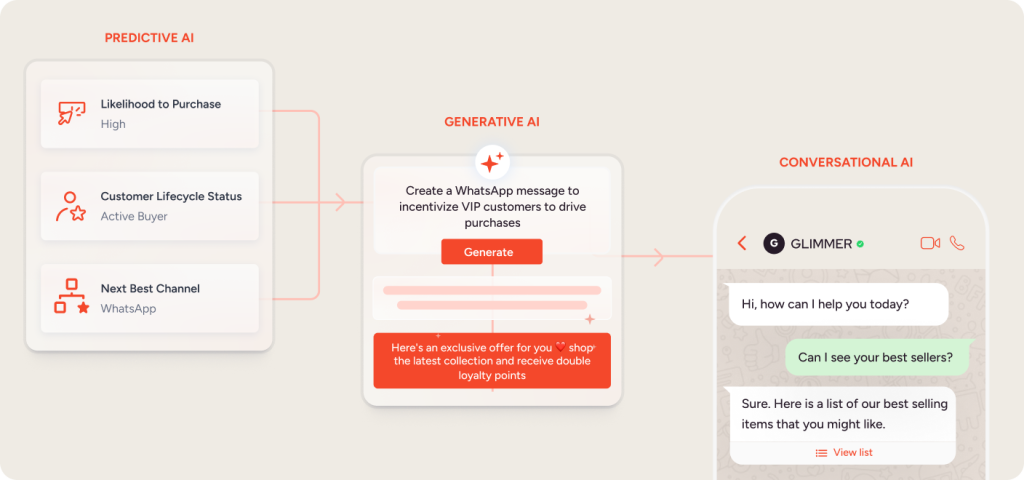
A four-stage model: New, Repeat, At-Risk, and Dormant, replaces fixed-day logic with triggers tied to what each customer actually does, not a date on the calendar.
The four purchase-cycle stages
- New: customers within their first purchase cycle, still forming habits and expectations around your brand
- Repeat: customers who have ordered again inside their typical reorder window and are building routine
- At-Risk: customers approaching or past their usual reorder window without placing a new order
- Dormant: customers well past their reorder window with no engagement across any channel
Calculating each customer’s real reorder interval
Average days-between-orders, calculated per customer or per segment, replaces the generic 30/60/90-day schedule. A skincare customer who reorders every 45 days and an apparel customer who reorders every 120 days should never receive the same win-back email on the same fixed day.
A unified customer data platform keeps this order history in one place, and Customer Data Management lets lifecycle teams build triggers off real intervals instead of arbitrary calendar math.
Designing the post-purchase sequence that actually drives a second order
A sequence that reliably produces a second order moves the customer through four moments: confirmation, onboarding, proof, and a personalized nudge toward what they’re likely to need next.
Each stage has a different job, and skipping one, especially onboarding, is why some post-purchase flows generate reviews but not repeat revenue.
The four-part sequence
- Order confirmation: sets expectations on delivery and next steps, not a sales pitch
- Usage or onboarding content: shows the customer how to get value from what they bought, timed to when the product actually arrives or gets used
- Timed social proof request: asks for a review once the customer has had enough time to form an opinion, based on product type rather than a fixed day
- Personalized next-product nudge: recommends a complementary or replenishment item based on what the customer bought and when they’re likely to need it again
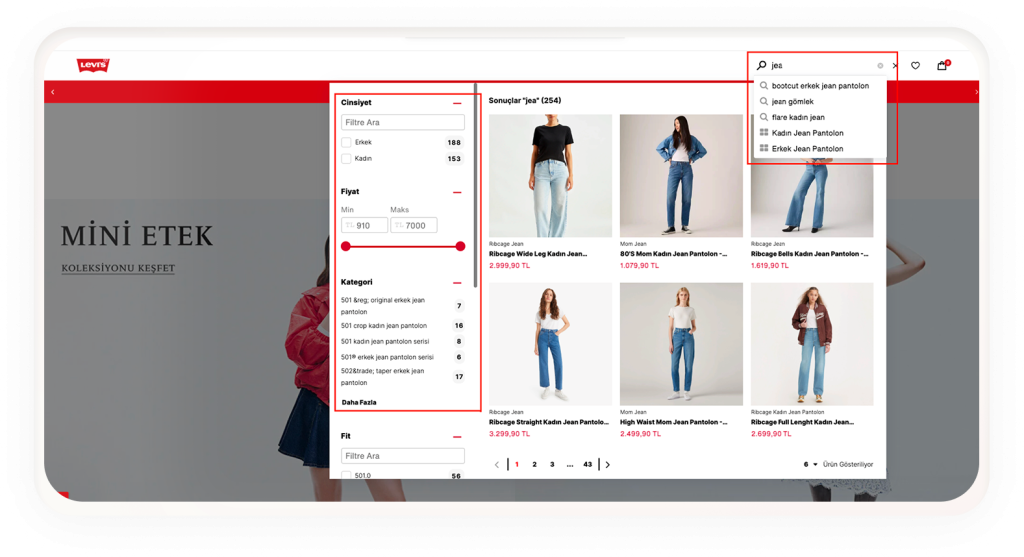
Levi’s built next-product recommendations directly into its post-purchase flow using Eureka site search and Smart Recommender, connecting what a customer already bought to what they’re likely to buy next instead of sending a generic upsell.
Suppression logic that stops redundant messages
Suppression logic checks whether a customer has already reordered before the next message in the sequence fires, so someone who converts on their own doesn’t get an upsell email for a product they just bought again.
This requires real-time order data connected to the messaging platform, not a static list pulled once a week. Journey Orchestration that checks conditions before each send prevents this kind of redundant, tone-deaf messaging.
Extending the funnel beyond email: SMS, push, and WhatsApp triggers
Email-only sequences miss the customers who are more responsive on a phone screen or inside an app, which is why the strongest repeat purchase funnels layer SMS, push, and WhatsApp on top of the same purchase-stage triggers instead of replacing email with them.
A customer who never opens a marketing email might still read a text about a reorder reminder or respond to a WhatsApp message with a direct link to their last order.
Layering channels on the same trigger, rather than running parallel campaigns, means an At-Risk customer receives one message per moment, delivered wherever that person is most likely to act, instead of three competing offers on the same day.
Over-messaging is the real risk of adding channels. The fix is triggering off the same purchase-stage state rather than launching separate campaigns per channel, so a customer already engaged through push doesn’t also receive an email and a WhatsApp message for the identical offer.
Mediamarkt increased conversion rate using web push notifications, showing how a channel many retention teams treat as secondary can directly move repeat engagement when it’s tied to the right trigger.
Keeping the message consistent across channels
Cross-channel consistency means the same purchase-stage trigger drives every channel, so a Repeat-stage customer sees the same recommended product in an email, a push notification, and an on-site banner rather than three unrelated offers.
This is what makes the funnel feel like one relationship instead of three separate marketing programs competing for the same customer’s attention.
Building a win-back layer that doesn’t rely on discounts alone
A win-back layer performs best when its trigger timing is tied to each customer’s typical reorder window, not a blanket 90-day or 180-day rule applied to the entire list.
A customer who normally reorders every 30 days is already lapsing by day 45, while a customer who reorders every six months isn’t lapsed at day 90 at all.
Segmenting At-Risk and Dormant customers by their own interval, rather than one fixed threshold, means win-back messages arrive while the customer still remembers why they bought from you, not months after the relationship has gone cold and the brand has faded from consideration entirely.
Levers beyond the discount code
- Replenishment reminders timed to when the product is likely running low, based on typical usage cycles for that category
- Personalized recommendations that reflect what the customer bought before, rather than a generic best-seller list
- Loyalty status or points balance reminders that highlight value already earned, giving the customer a reason to return that isn’t a markdown
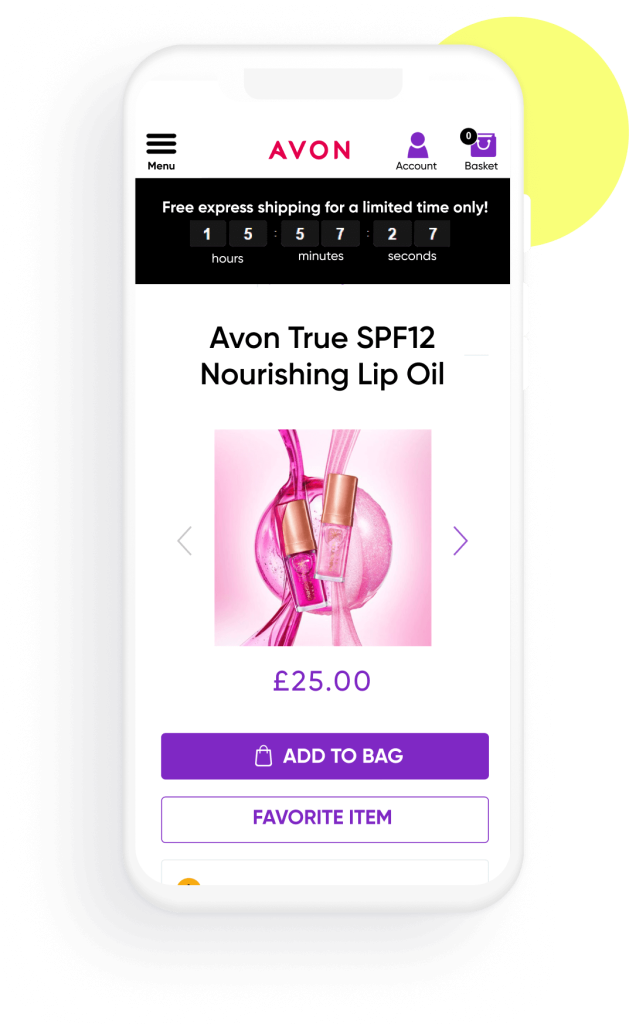
Avon improved conversion rates by up to 78% by pairing personalized recommendations with lifecycle-based targeting, rather than relying on a standing discount to bring lapsed customers back.
Discounts still have a place in a win-back sequence, but leading with one on day one trains customers to wait for a markdown before buying again, which erodes margin without solving the underlying timing problem.
Conclusion
A repeat purchase funnel built around calendar days will always misfire for some share of your customers, because no two buyers reorder on the same schedule.
Anchoring triggers to each customer’s real purchase-stage segment: New, Repeat, At-Risk, Dormant, and extending those triggers across email, SMS, push, WhatsApp, and on-site gives lifecycle teams a funnel that responds to actual behavior.
The brands that get this right treat retention as a data and timing problem first, a messaging problem second.
To evaluate the fit of Smart Recommender, Eureka, and Customer Data Management for your use case, book a personalized demo to review your goals, data requirements, and implementation constraints with the Insider One team.
FAQs
It’s a sequence of messages triggered by a customer’s purchase-stage segment and real reorder interval, rather than a fixed calendar schedule. It moves a customer from first order through repeat purchase, flags them as At-Risk when they lapse, and re-engages them with a win-back sequence if they go Dormant.
Calculate each customer’s average days-between-orders from order history in a unified Customer Data Management layer, then classify them as New, Repeat, At-Risk, or Dormant based on where they sit relative to their own interval, not a generic 30 or 90-day rule applied to everyone.
A confirmation email, followed by onboarding or usage content, a timed social proof request once the customer has formed an opinion, and a personalized next-product nudge based on what they bought. Suppression logic stops the nudge from firing if the customer has already reordered on their own.
Layering SMS, push, WhatsApp, and on-site on the same purchase-stage trigger reaches customers who don’t open marketing email, without duplicating the offer across channels on the same day. Consistency across channels reinforces one message instead of running three uncoordinated campaigns at once.
Start relative to each customer’s own reorder interval, not a fixed 90 or 180-day threshold. A customer who typically reorders every 30 days should enter the win-back sequence around day 40 to 45, while a six-month buyer shouldn’t be flagged at day 90 at all.
No. Replenishment reminders, personalized recommendations, and loyalty status updates often re-engage lapsed customers without training them to wait for a markdown. A discount can still work as one lever inside the sequence, but it shouldn’t be the first or only message a lapsed customer receives.

Keep Reading
7 min.

Muharrem Derinkok
4 Jun 2026
11 min.

Chris Baldwin
2 Jun 2026
4 min.
Chris Baldwin
3 Feb 2026