

 Platform Overview

 Integration Hub

 Sirius AI™

 Customer Data Management

 Personalization

 Journey Orchestration

 Reporting & Data

 Behavioral Analytics

 Web
Web

 Email
Email

 Site Search

 Conversational CX

 WhatsApp

 Web Push

 InStory

 App
App

 SMS & RCS

 Join the $0 Migration Movement™

 The Insider One Difference

 Compare Vendors

 Switch to Insider One

 Success Story

 Retail & Ecommerce

 Financial Services

 Travel & Hospitality

 Beauty & Cosmetics

 Automotive

 Telecommunications

 Interactive Platform Tour

 Blog
Blog

 E-Books & Guides

 Glossary
6 Best AI-Powered Audience Segmentation Tools for 2026

Updated on 23 Mar 2026
8 min.
Table of Contents
Most Popular


Imagine sending a marketing message to thousands of customers and only a fraction of them respond. Traditional segmentation based on age, location, or past purchases is no longer enough. Today’s customers expect experiences that feel personal, relevant, and timely, and marketers need smarter ways to meet those expectations.
Machine learning-powered audience segmentation tools provide the solution. These platforms analyze customer behavior, engagement patterns, and predictive signals to create dynamic and actionable segments. This allows marketers to reach the right people at the right time with the right message, which leads to higher engagement, conversions, and return on investment.
Here is a look at the top AI-powered audience segmentation tools in 2026, along with their key features and strengths:
| Tool | ML-Powered Features | Best For |
| Insider One | Predictive segmentation, real-time intent signals | Personalized journeys across channels |
| Braze | Behavioral segmentation, predictive timing | Lifecycle and multichannel engagement |
| Klaviyo | Predictive analytics, ecommerce segmentation | B2C and ecommerce growth |
| HubSpot Marketing Hub | Smart lists, behavior-based segmentation | CRM-centric segmentation |
| Salesforce Marketing Cloud | AI-driven segmentation with Einstein | Enterprise omnichannel audiences |
| ActiveCampaign | Predictive segmentation, behavior-based scoring, automated workflows | SMBs and mid-market brands looking for intelligent segmentation and automation |
Each platform uses machine learning in different ways, from predictive scoring to updating audience segments in real time. In the sections that follow, we will explore what makes each tool unique and how it can help marketing teams create smarter and more personalized campaigns.
6 top audience segmentation tools powered by machine learning in 2026
Choosing the right audience segmentation tool can transform your marketing campaigns. These platforms use machine learning to analyze customer behavior, predict intent, and automatically group audiences into actionable segments. The tools below are among the most effective for marketers looking to deliver personalized campaigns and improve ROI.
Insider One
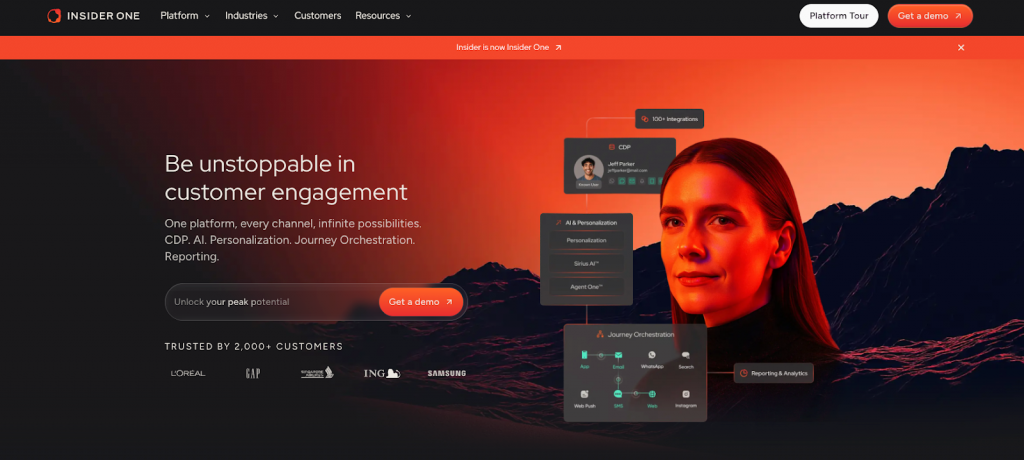
Insider One combines predictive segmentation, real-time behavioral insights, and cross-channel journey orchestration to enable marketers to deliver personalized experiences at scale.
How it works: Insider One continuously analyzes behavioral and engagement data across web, mobile, email, and messaging channels. Insider One analyzes behavioral and engagement data to predict what each customer is likely to do next and automatically update segments in real time. It also provides recommendations for next-best actions to maximize engagement.
Key benefits:
- Real-time, predictive segmentation that adapts as customers interact with your brand
- Cross-channel orchestration for web, mobile, email, and messaging campaigns
- AI-driven recommendations for next-best actions, offers, and content
- Unified customer data across touchpoints to enable consistent personalization
- Reduces manual effort while increasing marketing precision
Unique differentiator: Insider One’s ability to unify cross-channel customer behavior and generate actionable, real-time insights makes it a powerful choice for marketers aiming for hyper-personalized campaigns without complex workflows.
Braze
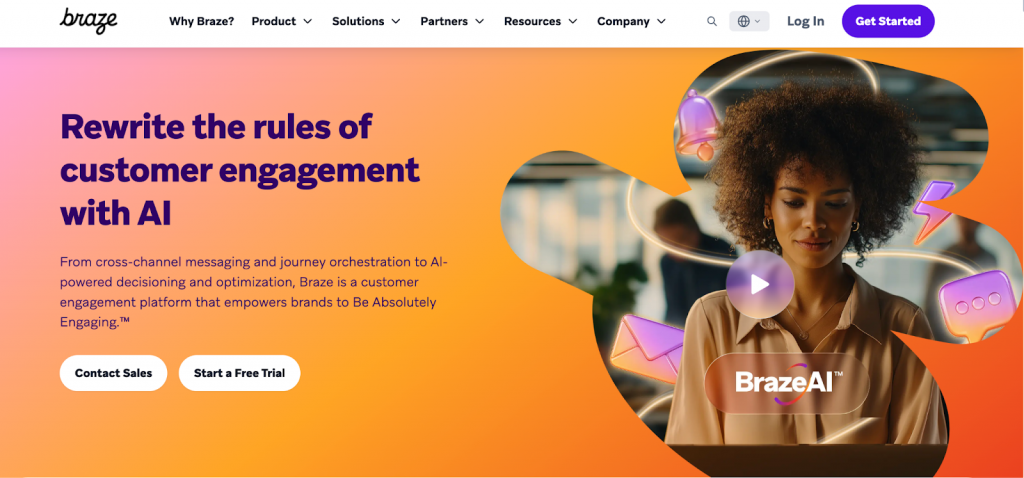
Braze is a lifecycle engagement platform designed for mobile-first brands. Its machine learning capabilities help marketers create behavior-driven segments and deliver messages at more effective times using send-time optimization.
How it works: Braze analyzes in-app behaviours, web interactions, and engagement patterns to form dynamic audience segments. It predicts the best time and channel to reach each user and allows marketers to trigger automated campaigns accordingly.
Key benefits:
- Behavioral segmentation for email, push, in-app messaging, and SMS campaigns
- Predictive send-time optimization for higher engagement
- Lifecycle messaging to nurture, retain, and reactivate customers
- Analytics and reporting to track segment performance and campaign effectiveness
Unique differentiator: Braze is particularly strong in mobile engagement and lifecycle marketing, making it ideal for brands that rely on apps or digital products to drive customer interactions.
Klaviyo
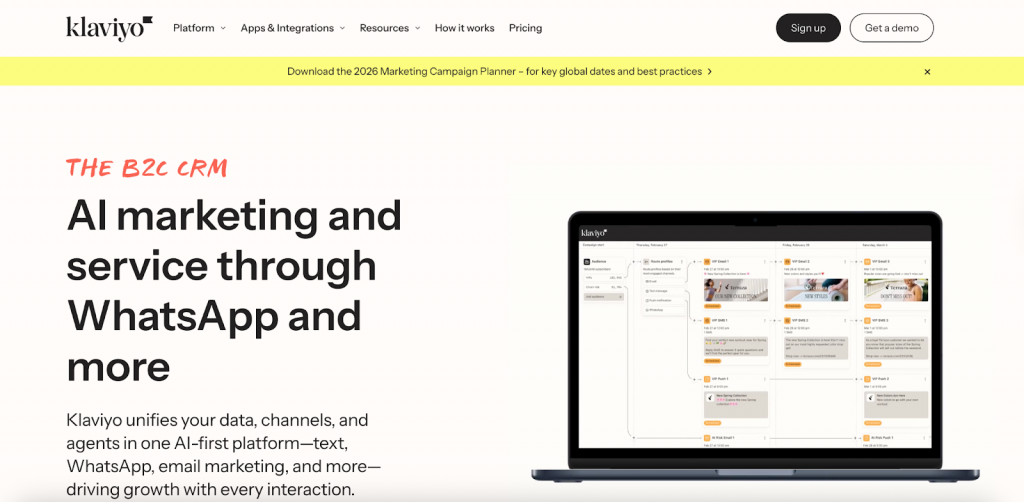
Klaviyo focuses on e-commerce brands, offering predictive analytics and automation designed to drive revenue and retention.
How it works: Klaviyo analyzes past purchases, browsing behaviors, and engagement signals to predict future actions such as churn, repeat purchases, or lifetime value. Segments are continuously updated, and automated campaigns are triggered based on these predictions.
Key benefits:
- Predictive analytics for customer lifetime value, churn, and purchase likelihood
- AI-driven segmentation for personalized email and SMS campaigns
- Integration with major ecommerce platforms for seamless data flow
- Automated testing and performance tracking for campaigns
Unique differentiator: Klaviyo excels at ecommerce personalization, helping online retailers quickly implement predictive campaigns that drive measurable revenue.
HubSpot Marketing Hub
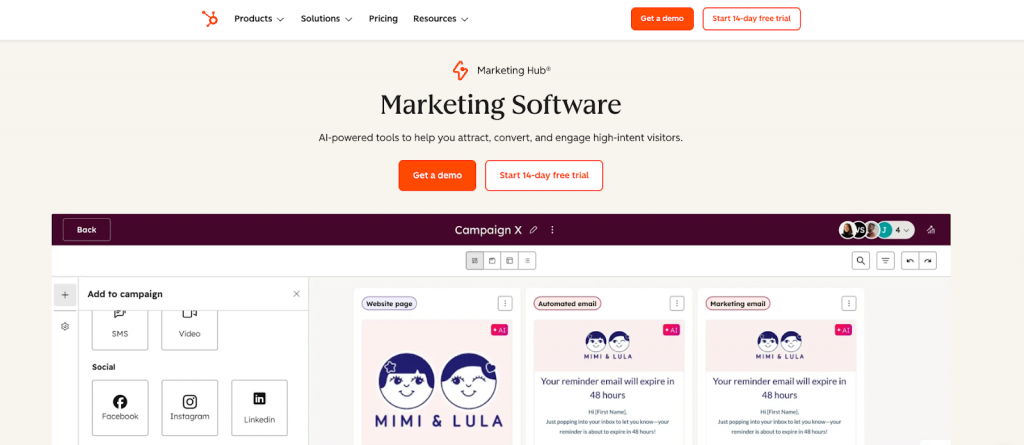
HubSpot Marketing Hub is an all-in-one platform combining CRM, marketing automation, and behavior-based segmentation. It helps teams align marketing, sales, and service while targeting audiences effectively.
How it works: HubSpot leverages CRM data, past engagement, and AI insights to create smart lists and behavior-based segments. Segments can trigger automated campaigns based on user actions, lifecycle stage, or engagement behavior.
Key benefits:
- Behavior-based segmentation for highly relevant campaigns
- Automated workflows streamline campaign execution and lead nurturing
- Unified reporting across marketing, sales, and service
- Integration with CRM ensures consistent data and customer insights
Unique differentiator: HubSpot is ideal for businesses that want tight alignment between marketing and sales while benefiting from AI-driven segmentation and automation.
Salesforce Marketing Cloud
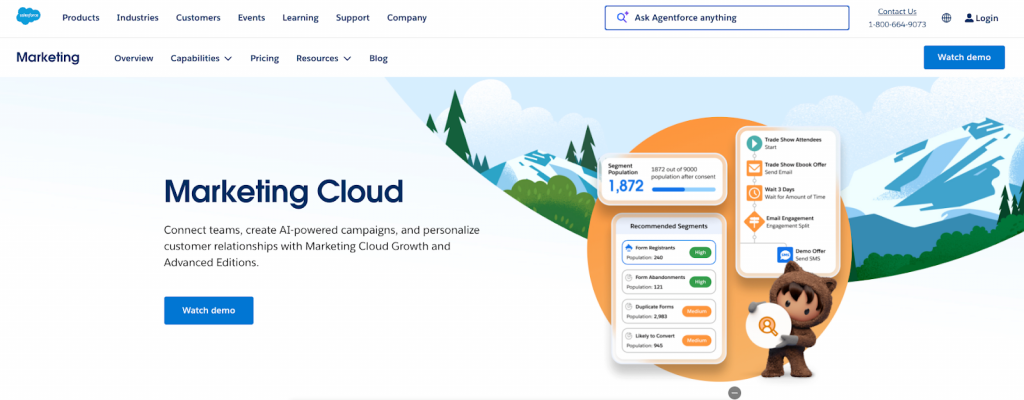
Salesforce Marketing Cloud uses Einstein AI to deliver predictive and dynamic segmentation, helping enterprise marketers coordinate targeting across multiple channels.
How it works: Einstein AI evaluates historical data, engagement patterns, and predictive scores to automatically create dynamic segments. The platform recommends channels, content, and timing to maximize engagement.
Key benefits:
- AI-driven predictive segmentation for large, complex customer bases
- Real-time audience updates that reflect changing behavior
- Advanced analytics and reporting for campaign performance
- Deep integration with Salesforce CRM for a single source of truth
Unique differentiator: Salesforce Marketing Cloud is best for enterprises requiring advanced AI segmentation with full CRM integration and omnichannel capabilities.
ActiveCampaign
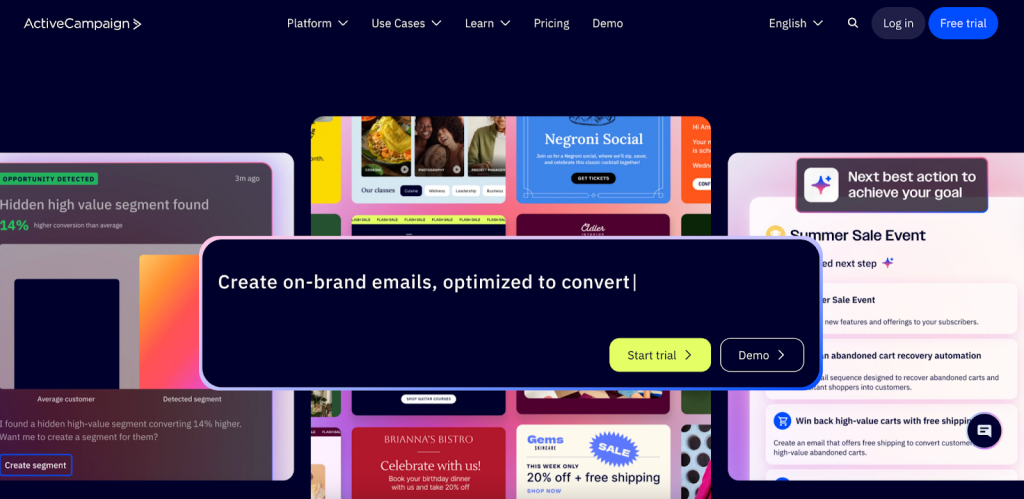
ActiveCampaign combines marketing automation, CRM, and machine learning to deliver intelligent audience segmentation and predictive scoring.
How it works: ActiveCampaign’s machine learning engine analyzes engagement data, past interactions, and purchase behavior to generate predictive segments. It can identify high-value leads, at-risk customers, or the best time to reach different segments automatically.
Key benefits:
- Predictive segmentation for email, SMS, and automation campaigns
- Behavioral and engagement-based audience scoring
- Automated workflows triggered by segment membership or behavior
- Reporting dashboards to monitor segment performance and ROI
Unique differentiator: ActiveCampaign stands out for its balance of AI-powered insights and user-friendly automation, making it accessible for teams that need predictive segmentation without enterprise complexity.
How machine learning enhances audience segmentation
Machine learning is transforming audience segmentation by uncovering patterns and insights that are difficult or impossible to detect manually. By analyzing large volumes of behavioral, transactional, and engagement data, ML algorithms can automatically identify meaningful customer segments and predict future behaviors, allowing marketers to act faster and more effectively.
In practical terms, machine learning enhances segmentation in several ways:
- Dynamic updates: Audience segments adjust automatically as users interact with your brand, ensuring campaigns always target the right people.
- Predictive analytics: ML models can forecast customer behaviors such as purchase likelihood, churn risk, or lifetime value, helping marketers prioritize high-impact actions.
- Real-time campaign optimization: Campaigns can adapt instantly to changing audience behavior, automatically adjusting targeting, messaging, and timing to maximize engagement and results.
Machine learning takes audience segmentation from static and manual to dynamic and intelligent. The difference becomes clear when comparing traditional approaches to AI-driven methods:
| Approach | Characteristics | Impact |
| Manual Segmentation | Static lists based on demographics or past purchases; updates require human effort | Limited targeting; slower response to behavioral changes; lower engagement |
| AI-Driven Segmentation | Dynamic, predictive, and continuously updated based on real-time data and behavioral signals | Precise targeting; automated updates; higher engagement and ROI |
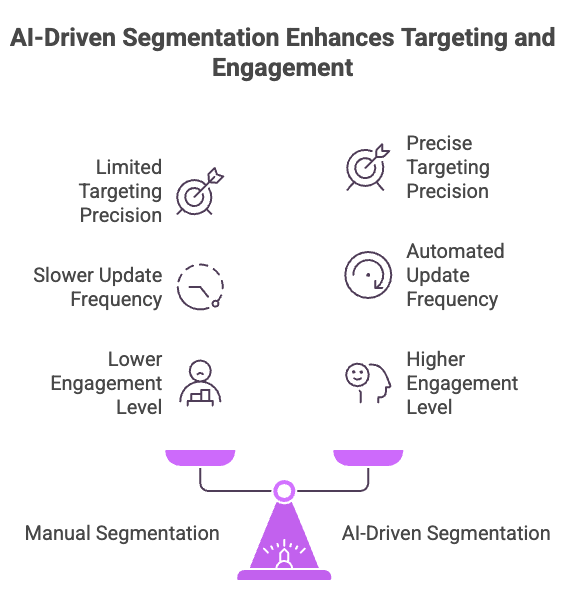
With machine learning, marketers can move from generic audience lists to intelligent, behavior-driven segments, enabling campaigns that feel relevant and timely to each customer. This shift not only improves engagement and conversion rates but also allows marketing teams to focus on strategy and creativity rather than manual list management.
Key features to look for in AI-powered segmentation tools
When evaluating machine learning audience segmentation platforms, marketers should focus on features that enable accurate targeting, real-time personalization, and seamless integration across campaigns and channels. The following are essential capabilities to consider:
- Unified User Data: Integrates customer data across all touchpoints (web, mobile, email, in-store, CRM) into a single, comprehensive profile. This single source of truth eliminates data silos, ensuring consistent, AI-driven segmentation and personalization across every channel.
- Predictive Analytics: Uses historical and real-time data, combined with machine learning, to forecast future customer actions and segment membership. This helps marketers anticipate behavior such as purchase likelihood, churn risk, or lifetime value.
- Dynamic Segmentation: AI technology that automatically updates customer groups as behaviors or attributes change, ensuring campaigns remain relevant and timely.
- Omnichannel Support: Ability to unify segmentation across email, web, mobile, social, and messaging platforms for consistent personalization across touchpoints.
- Behavioral and Psychographic Insights: Goes beyond basic demographics to segment audiences based on actions, preferences, engagement patterns, and lifestyle or value-based traits.
- Seamless Integrations: Compatibility with existing marketing stacks, including CRM systems, email platforms, analytics solutions, and automation tools, to maintain unified customer data.
Choosing the right audience segmentation tool for your marketing needs
Not every AI segmentation platform is suitable for every team. Marketers should match their business objectives, technical capabilities, and budget to the solution that best fits their needs.
Step-by-step guidance:
- Assess needs: Identify whether your priority is advanced predictive analytics, omnichannel reach, automation, or budget constraints.
- Shortlist platforms: Compare tools based on essential features, integration support, and cost.
- Trial or demo: Test platforms to evaluate usability, performance, and adaptability to your workflows.
- Evaluate results and support: Assess analytics accuracy, customer support, and ease of integration & migration.
- Adopt at scale: Roll out the platform across teams once it meets your requirements.
Additional considerations:
- Prioritize platforms with strong integration capabilities to avoid fragmented data.
- Choose solutions with an intuitive interface, especially if your team lacks deep technical expertise.
Insider One: A top choice for AI-powered segmentation
For teams looking to combine predictive insights, dynamic segmentation, and cross-channel personalization, Insider One is a leading option. The platform continuously analyzes behavior and engagement data to update audience segments in real time, making it easy to deliver personalized campaigns that resonate with each customer.
Why Insider One stands out:
- Unified Customer Database: Autonomously map raw user data across web, app & other sources into unified user profiles as a foundation for intelligent machine learning.
- Predictive segmentation: Identify high-value audiences and anticipate customer behavior & intent based on their historical events and calculated insights.
- Real-time updates: Segments automatically adjust based on actions, engagement, and intent signals.
- Cross-channel personalization: Orchestrate campaigns across web, mobile, email, and messaging from one connected platform.
- AI-powered recommendations: Receive actionable insights for next-best actions, offers, and messaging.
Insider One helps marketers move faster, improve engagement, and scale personalisation without adding operational complexity. To see how it works in practice, marketers can explore a platform tour or schedule a demo to experience how it can enhance audience segmentation and campaign performance.
Frequently asked questions
Machine learning improves segmentation by enabling dynamic, real-time updates and uncovering hidden patterns, making marketing campaigns more precise, efficient, and personalized.
AI-based segmentation tools continuously analyze customer interactions and automatically move users between segments as their behaviors or attributes change.
Machine learning can power behavioral, demographic, psychographic, and value-based segmentation, helping marketers deliver more relevant campaigns to each audience group.
Most AI segmentation tools offer ready-made integrations with popular CRMs, email platforms, and analytics solutions, simplifying unified data management and campaign execution.
Yes. AI-powered segmentation platforms are adaptable for both B2B and B2C use cases, supporting personalized campaigns and conversion optimization across different business types.

Keep Reading
4 min.

Chris Baldwin
3 Feb 2026
9 min

Muharrem
23 Dec 2025
10 min.
Muharrem
11 Oct 2024