

 Platform Overview

 Integration Hub

 Insider One AI™

 Customer Data Management

 Personalization

 Journey Orchestration

 Reporting & Data

 Behavioral Analytics

 Web
Web

 Email
Email

 Site Search

 Conversational CX

 WhatsApp

 Web Push

 InStory

 App
App

 SMS & RCS

 Join the $0 Migration Movement™

 The Insider One Difference

 Compare Vendors

 Switch to Insider One

 Success Story

 Retail & Ecommerce

 Financial Services

 Travel & Hospitality

 Beauty & Cosmetics

 Automotive

 Telecommunications

 Total Economic Impact™ Study

 Blog
Blog

 E-Books & Guides

 Glossary
14 Important Customer Journey Orchestration Trends in 2026

Updated on 10 Aug 2026
11 min.
Table of Contents
- Summary
- How technology is rewriting the rules of customer journeys
- Respecting privacy while staying deeply relevant
- Turning every touchpoint into one seamless conversation
- Designing journeys that feel hand‑crafted
- Measuring what works and fixing what doesn’t
- What we can learn from these trends
- Why choose Insider One for privacy-first journey orchestration
- FAQs
Most Popular
Summary
- Customer journey orchestration in 2026 is driven by AI, predictive analytics, real-time personalization, and omnichannel experiences that improve customer engagement and loyalty.
- Key trends include privacy-first personalization with zero-party data, context-aware messaging, lifecycle-based journeys, and seamless experiences across online and offline touchpoints.
- Brands that continuously measure, test, and optimize customer journeys using real-time insights and multi-touch attribution can deliver more relevant experiences and achieve better business outcomes.
According to recent studies, customers are 3x more likely to stay loyal to brands that deliver consistent, personalized experiences across channels. Yet most enterprises still struggle with fragmented data, siloed teams, and disconnected campaigns.
That’s where customer journey orchestration (CJO) comes in. At its core, CJO is the ability to design connected, data-driven journeys that feel personal, timely, and consistent, no matter where or how customers engage.
Today, AI is accelerating execution, privacy expectations are rising, omnichannel engagement is becoming table stakes, and personalization is moving far beyond first names in emails. Together, these forces are rewriting how brands engage customers.
In this article, we break down 14 customer journey orchestration trends that enterprise and high-growth B2C brands can’t afford to ignore.
How technology is rewriting the rules of customer journeys
Customer behavior is more complex and unpredictable than ever. Modern customers hop between devices, channels, and contexts, expecting experiences that are timely, relevant, and seamless. Static campaigns and rigid workflows no longer suffice.
Customer journey orchestration, powered by AI, predictive analytics, and real-time decisioning, allows brands to deliver adaptive, context-aware experiences that drive engagement, loyalty, and revenue across channels.
Trend 1: AI-powered content generation transforms messaging
Artificial intelligence is now at the heart of modern messaging. AI analyzes customer behavior, engagement patterns, and preferences to generate personalized email copy, push notifications, and in-app content at scale. This allows marketers to craft communications that feel human and relevant without manually creating hundreds of variations.
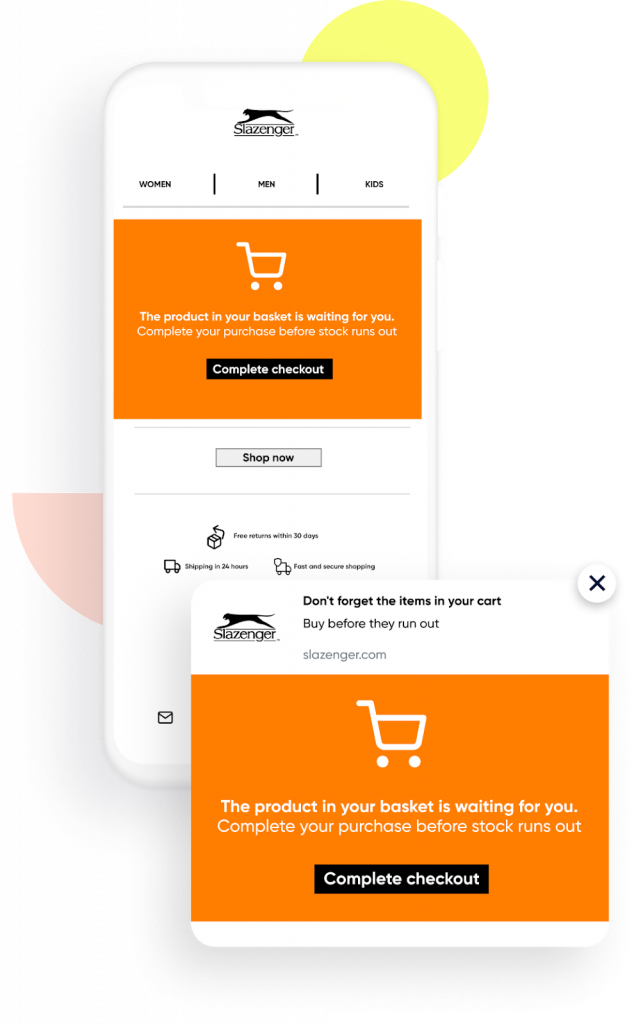
A clear example is Slazenger, which implemented AI-driven orchestration to dynamically tailor messaging for customers based on behavior and intent. This approach improved engagement and acquisition metrics, achieving a 49X ROI and a 700% increase in customer acquisition in just eight weeks. AI has moved beyond simple assistance to generating and optimizing campaign content, enabling marketers to deliver highly personalized experiences efficiently.
Trend 2: Predictive analytics enables anticipatory engagement
Predictive analytics is changing the way brands anticipate customer behavior. Instead of waiting for customers to abandon carts or disengage, predictive orchestration platforms analyze browsing patterns, past purchases, and intent signals to forecast what each customer is likely to do next. This allows marketers to intervene proactively, sending the right message before the opportunity is lost.
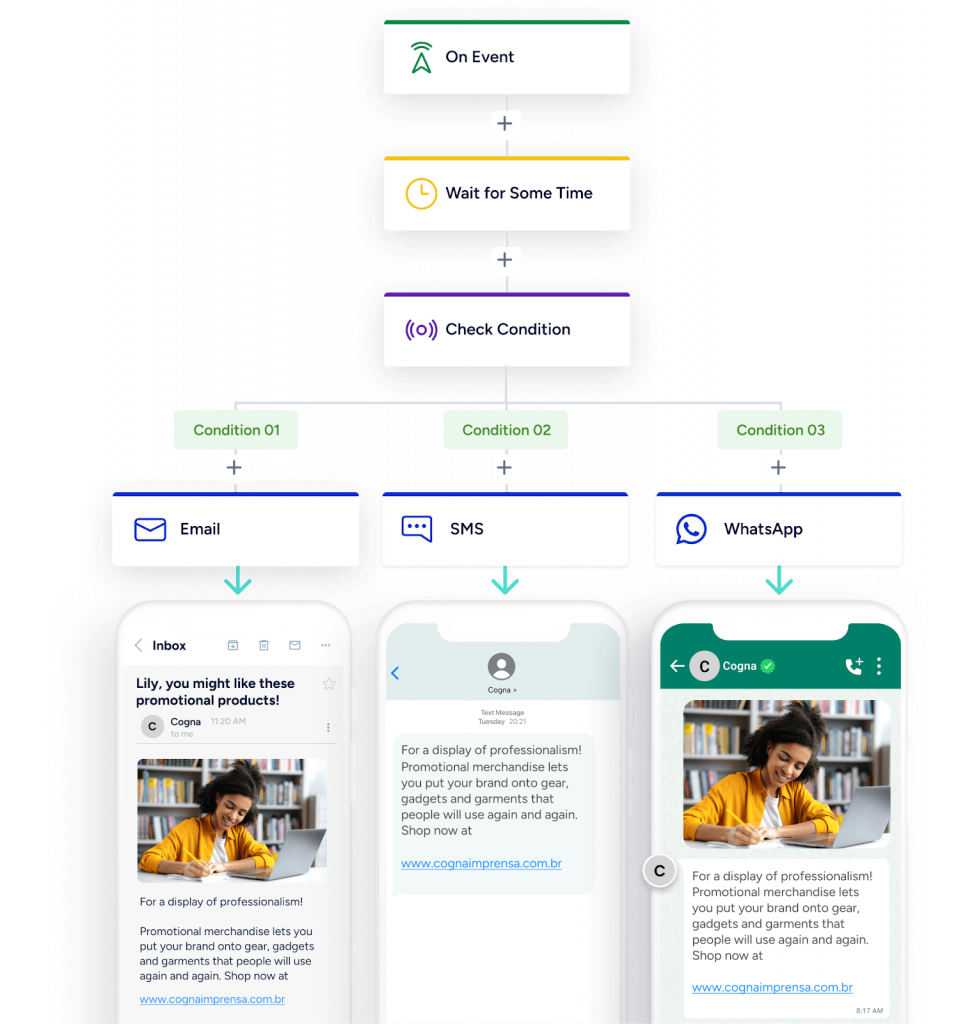
For instance, Cogna Educação consolidated offline and online data to identify students at risk of disengagement. Using predictive triggers, the platform delivered personalized SMS, WhatsApp, and email communications, leading to a 7X ROI and 52% faster lead conversion within three months. Predictive analytics makes journeys smoother, reduces friction, and increases the likelihood of conversion.
Trend 3: Context-aware orchestration delivers the right message at the right moment
Timing and channel choice are just as important as content. Context-aware orchestration uses AI and machine learning to identify the optimal moment and channel for each message, ensuring it reaches the customer when they are most receptive. Micro-moment targeting considers device, location, behavior, and engagement history to deliver highly relevant communications.
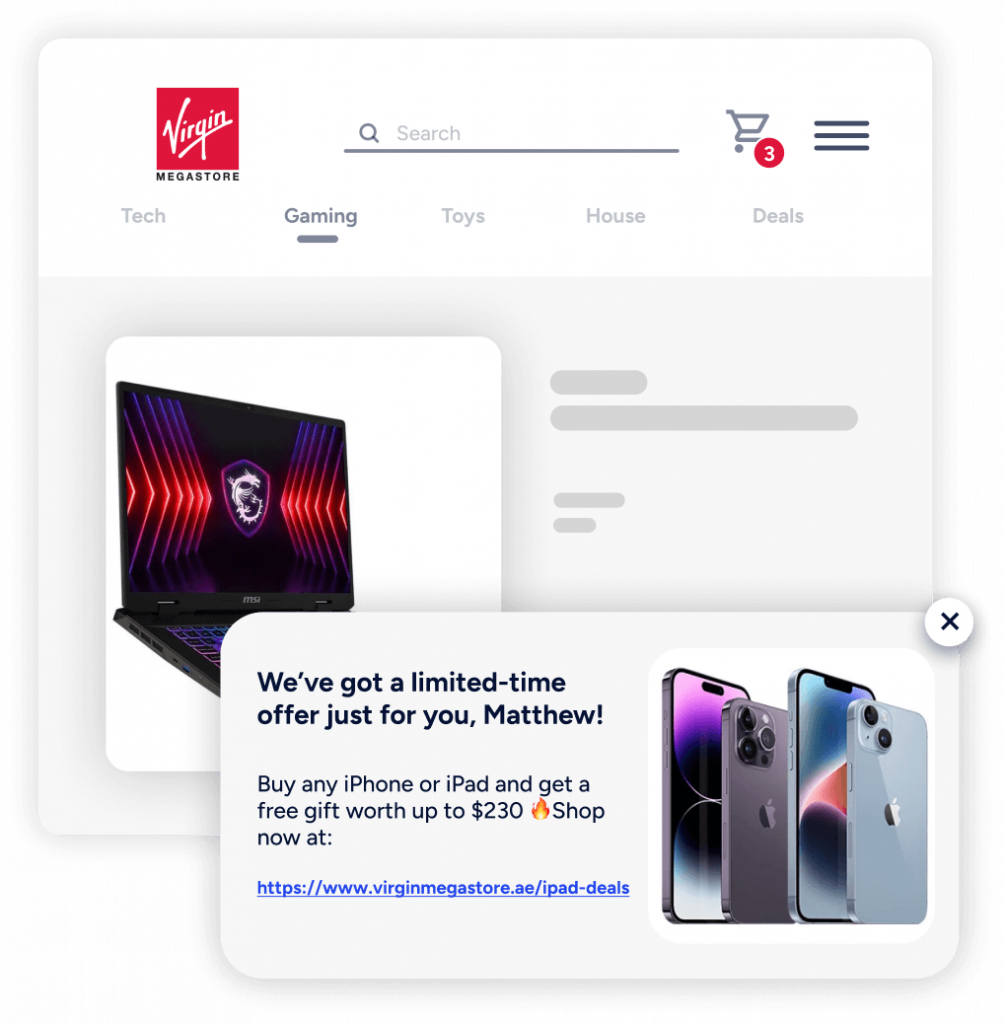
Virgin Megastore exemplifies this trend. By analyzing browsing behavior and combining it with real-time triggers, the brand sent personalized Web Push notifications and emails precisely when customers were most likely to act. This resulted in a 350% increase in conversion rates, demonstrating how context-aware orchestration can make marketing more timely, relevant, and effective.
Respecting privacy while staying deeply relevant
In today’s privacy-conscious world, brands must deliver personalized experiences without compromising trust or regulatory compliance. Consumers increasingly expect brands to handle their data responsibly while still providing relevant and timely communications.
Modern customer journey orchestration trends emphasize using consented customer data and privacy-by-design strategies to maintain relevance while adhering to regulations like GDPR and CCPA.
Trend 4: Zero-party data becomes the foundation for personalization
In the absence of reliable third-party cookies, brands are turning to zero-party data; information that customers willingly share about their preferences, interests, or intentions. Unlike inferred data, zero-party data is explicit, accurate, and consent-driven, making it a much more trustworthy foundation for personalization.
Using surveys, preference centers, quizzes, or interactive content, marketers can gather actionable insights directly from their customers. The key is to treat these interactions as part of the experience rather than just a data-collection exercise.
When customers provide information willingly, they feel valued and understood, which strengthens the relationship and builds long-term loyalty. Integrating zero-party data into orchestration allows brands to design journeys that are truly relevant and reduce reliance on guesswork or intrusive tracking.
Trend 5: Privacy-by-design ensures compliance without sacrificing experience
Meeting privacy requirements doesn’t have to come at the cost of personalization. Privacy-by-design orchestration embeds compliance directly into the workflow rather than treating it as an afterthought. This approach ensures that data collection, storage, and usage are governed by consent rules and regulatory standards, without slowing down marketing execution.
Privacy-by-design involves anonymizing sensitive information, automatically honoring opt-outs, and limiting data use to what is necessary for the experience. For marketers, this means they can still deliver contextual, timely messages while maintaining customer trust.
Designing journeys with privacy in mind creates experiences that feel safe, respectful, and personal; a balance that will become increasingly important as data regulations tighten globally.
Turning every touchpoint into one seamless conversation
Customers today interact with brands in many ways, through websites, apps, emails, push notifications, social media, and even in stores. They expect every interaction to feel connected.
If messaging feels fragmented or inconsistent, it can confuse or frustrate them. Modern customer journey orchestration focuses on making every touchpoint part of a smooth, coherent experience, helping brands build trust, engagement, and loyalty.
Trend 6: Keep your story consistent across email, SMS, push, and more
Consistency matters. Customers notice when a brand says one thing in an email but something different on social media or in-store. Omnichannel consistency is about making sure the story, tone, and message feel the same across every interaction.
Brands that do this well can guide customers through the journey without confusion. Every message supports the next, whether it’s an email introducing a product, a push notification highlighting a relevant offer, or an in-app reminder. When the experience feels cohesive, customers feel understood and are more likely to stay engaged.
Trend 7: React instantly when customers take key actions
Timing can make the difference between engagement and lost opportunity. When a customer browses a product, abandons a cart, or reaches a loyalty milestone, brands that respond immediately create experiences that feel personal and relevant.
Real-time triggers ensure customers get the right message at the right moment. For example, sending a notification after a customer abandons a cart or congratulating them for a loyalty achievement makes the experience feel attentive and thoughtful, rather than generic or automated.
Trend 8: Connect offline and online touchpoints
Offline interactions, like store visits, events, or customer service calls should influence online experiences. Customers expect their offline behavior to be recognized digitally.
For example, after visiting a store, a customer might get an email highlighting the products they explored, or a message about loyalty points they earned. This approach, often called “phygital,” connects physical and digital experiences, making the customer journey feel seamless and well-planned.
Designing journeys that feel hand‑crafted
Customers don’t want generic experiences. They want journeys that feel personal and relevant. Modern orchestration focuses on making every interaction feel intentional, based on behavior, context, and lifecycle stage. This ensures customers feel understood rather than treated like part of a mass audience.
Trend 9: Micro‑segmentation enables deep relevance
As brands collect more signals about customer behavior, what they browse, what they buy, when they engage, and on which channels, it becomes possible to create highly specific audience groups that go beyond demographics.
Micro‑segmentation breaks audiences down into narrowly defined cohorts based on behavior and preferences. Rather than sending one message to “all shoppers,” brands can tailor experiences for shoppers who frequently view specific categories, high‑intent visitors who browse repeatedly without converting, or disengaged users who haven’t interacted in a certain period.
For example, companies like MAC Cosmetics combined personalization strategies with journey orchestration so that visitors saw product recommendations that matched their browsing history, and they received relevant follow‑up notifications across channels, increasing engagement significantly.
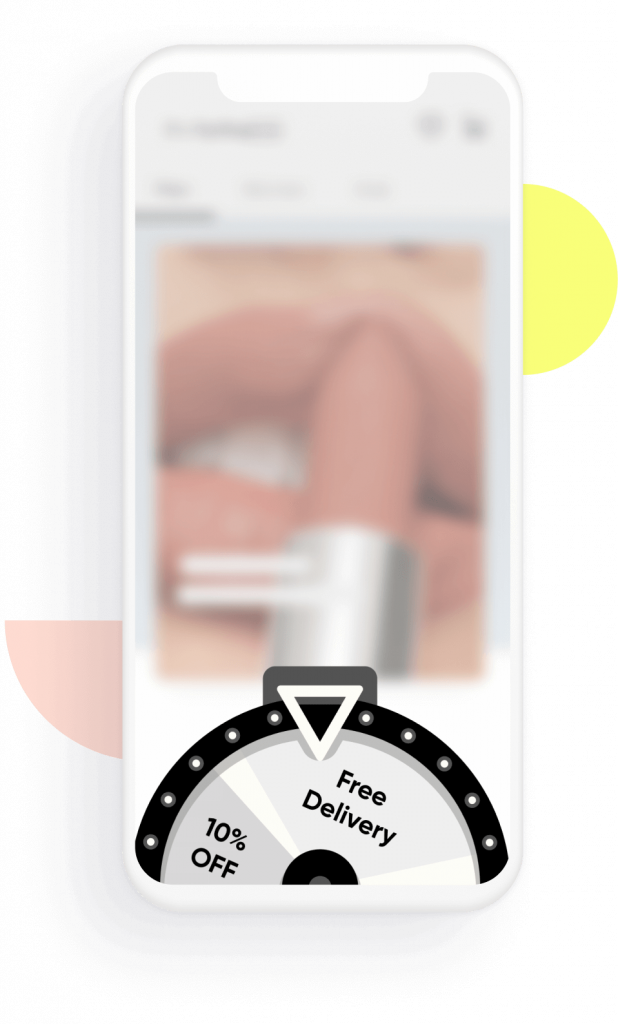
These kinds of tailored experiences make messages feel curated rather than generic, helping customers feel seen and understood.
Trend 10: Contextual personalization adjusts to customer state
Even when a message is relevant to a customer’s interests, it can still fall flat if it doesn’t fit the situation. Contextual personalization is about adjusting messages based not just on who a customer is, but what they’re doing right now, where they are, and how they’re interacting with the brand in the moment.
For example, if a customer browses travel gear on a mobile device in the evening, a follow-up that matches this context, like a timely reminder or relevant offer, feels natural rather than intrusive. Context can include recent activity, device, location, time, or actions from a previous visit. Using context in journey decisions makes messages feel timely and appropriate.
Contextual personalization also supports multi-moment experiences. If a customer leaves and returns, orchestration can adjust, switching channels or tone so the journey stays smooth and human.
Trend 11: Lifecycle‑aware journeys meet customers where they are
Every customer moves through different stages of relationship with a brand, from discovery and first purchase to loyalty and potential churn. Lifecycle‑aware orchestration recognizes that each stage requires a different approach and different messages.
For a new visitor, the priority might be education and discovery, whereas for a repeat buyer, it might be loyalty rewards or upsell recommendations. For customers who haven’t engaged recently, re‑engagement messages might focus on value reminders or curated offers.
Brands that tailor journeys to these lifecycle moments make every interaction feel relevant and stage‑aware.
Measuring what works and fixing what doesn’t
Orchestrating customer journeys isn’t a “set it and forget it” task. True impact comes from understanding how each touchpoint contributes to outcomes and using those insights to continuously improve experiences.
As customer behavior grows more complex, last-click metrics no longer capture the full picture. Modern journey orchestration emphasizes multi-touch measurement, real-time learning, and end-to-end experimentation.
Trend 12: Multi‑touch attribution reveals the true impact of orchestrated journeys
When customers interact with a brand across multiple channels, email, web, mobile app, push, and more, attributing success to just the last touch doesn’t tell the full story. Multi‑touch attribution is a trend that helps teams see how every interaction influences an outcome, rather than giving all the credit to the final click.
Understanding which combination of touchpoints actually drove a conversion allows marketers to reallocate effort and budget where it matters most. Instead of asking “Did this email convert a user?”, the more important question is “How did this email work in concert with a web push, onsite message, and personalized product recommendation to influence the sale?”
Brands that look at attribution this way uncover insights about what drives real customer decisions. Moreover, partnerships between orchestration platforms and measurement solutions allow teams to unify conversion data with engagement behavior, helping close the loop between what customers see and what they do.
Trend 13: Real‑time feedback enables continuous improvement
One of the most significant shifts in measurement is from static reports to real‑time insight. With orchestration platforms that show performance as it happens, teams don’t have to wait for weekly or monthly reports to understand what’s working and what’s not.
Instead, they can see whether journeys are engaging customers, converting at expected rates, or losing momentum, and adjust immediately.
For example, when a journey shows a drop in conversions at a specific touchpoint, teams can quickly test variations of timing, copy, or channel to improve performance. This real‑time feedback loop turns journeys into living systems that can evolve based on customer behavior.
It’s not just retrospective reporting; it’s continuous learning and adaptation. Tools with built‑in analytics and dashboards make it easier for teams to spot trends, anomalies, and opportunities without waiting for after‑the‑fact analysis.
Trend 14: End‑to‑end journey experimentation becomes core to optimization
Testing subject lines or button colors is no longer sufficient when customers move through complex, multi‑touch journeys. A growing trend is experimenting with entire journey paths; comparing how one sequence of touchpoints performs against another.
This might mean testing an email‑first path versus a push‑notification‑driven path, or comparing different pacing and timing across channels.
By testing full journey architectures rather than isolated messages, teams gain insight into how sequences, channel interactions, and timing all contribute to performance. This approach helps marketers answer strategic questions like: “Does introducing SMS earlier improve retention?” or “Does a personalized web overlay outperform an email reminder for cart recovery?” These comprehensive tests provide rich insight into how orchestration logic impacts behavior end‑to‑end.
What we can learn from these trends
Looking across the top customer journey orchestration trends, a few clear lessons emerge for brands that want to improve engagement, conversion, and loyalty:
- AI Raises the Floor and Ceiling – AI tools can speed up execution and unlock creative possibilities that humans alone can’t scale. From personalized content generation to predictive recommendations, brands can deliver more relevant experiences faster.
- Trust Is the New Currency – Customers reward brands that handle data respectfully and transparently. Zero-party data and privacy-by-design strategies ensure personalization doesn’t come at the expense of trust.
- Every Channel Should Feel Like One Voice – Consistency across email, SMS, push notifications, apps, and in-store interactions makes the journey coherent. When messages are fragmented, the experience suffers and engagement drops
- Context Makes Experiences Relevant – Timing, device, location, mood, and lifecycle stage can turn generic nudges into meaningful moments. Contextual orchestration ensures that messages arrive when they matter most.
- Journeys Must Flex With Customers – Different customer segments, behaviors, and lifecycle stages require tailored paths. Brands that adapt journeys for loyal, at-risk, or new users increase engagement and retention.
- Measurement Drives Smarter Orchestration – Multi-touch attribution, real-time feedback, and journey-level testing provide the insights needed to refine journeys continuously. Measurement is no longer optional; it powers smarter, more effective experiences.
These lessons show that modern customer journeys aren’t just a series of messages, they are living, data-informed experiences that adapt to each customer in real time, across channels, while respecting privacy and context.
Why choose Insider One for privacy-first journey orchestration
Trend 5 asks for privacy-by-design: compliance built into the workflow rather than bolted on afterwards. Most orchestration platforms cannot deliver that, for an architectural reason. They work by copying your customer data into their own database, so every campaign adds another copy to secure, another consent state to keep in sync, and another exposure surface.
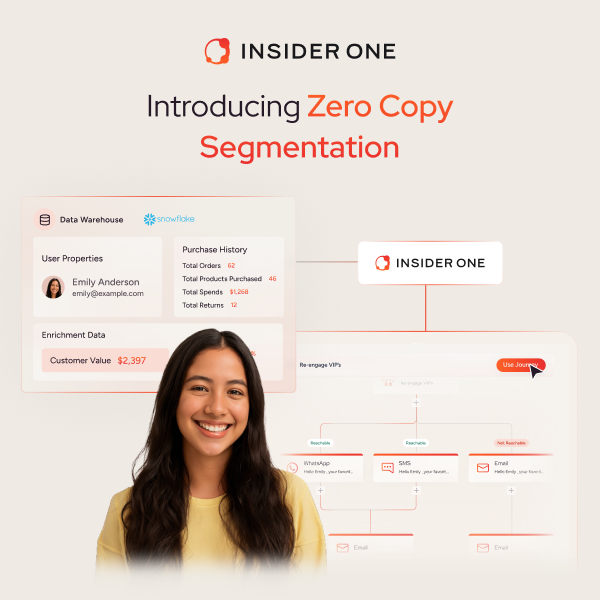
Insider One’s Zero Copy Segmentation inverts it. The segment query runs inside your own Snowflake, BigQuery or Databricks warehouse, on your compute. Insider One resolves the returned identifiers and stores only segment membership. Raw customer data is never copied across.
That changes how several trends above actually work. Consent states stay in the system of record instead of in a synced duplicate, which is what privacy-by-design requires in practice. The micro-segments in trend 9 query what is in the warehouse now rather than a scheduled snapshot.
And for contextual personalization in trend 10, values can be fetched at decision time, so a loyalty balance or lifecycle score is read at the moment a journey needs it and deleted by default when the customer exits.
Your data team authorizes the warehouse connection once in the Integration Hub. Marketers reuse it across segments without building a pipeline per campaign.
The rest of what this article describes, 12+ native channels, real-time triggers, and lifecycle journeys, orchestrates on top of that.
Take the interactive platform tour, or book a demo to review your own data architecture.
FAQs
The biggest customer journey orchestration trends include AI-powered content generation, predictive analytics, context-aware personalization, zero-party data strategies, privacy-by-design, omnichannel consistency, real-time triggers, lifecycle-based journeys, multi-touch attribution, and continuous journey experimentation.
AI enables brands to automate content creation, predict customer behavior, personalize experiences in real time, and optimize messaging across channels. This helps marketers deliver more relevant customer journeys while improving efficiency and campaign performance.
Zero-party data is information customers intentionally share, such as preferences and interests. Because it is consent-based and accurate, it allows brands to create highly personalized experiences while reducing reliance on third-party cookies and supporting privacy compliance.
Context-aware customer journey orchestration uses real-time signals such as customer behavior, device, location, engagement history, and timing to deliver the most relevant message through the best channel at the right moment.
Businesses measure success using metrics such as multi-touch attribution, real-time journey analytics, conversion rates, engagement, retention, and end-to-end journey experimentation. These insights help teams continuously optimize customer experiences across every touchpoint.

Keep Reading
7 min.

Muharrem Derinkok
4 Jun 2026
11 min.

Chris Baldwin
2 Jun 2026
4 min.
Chris Baldwin
3 Feb 2026