

 Platform Overview

 Integration Hub

 Sirius AI™

 Customer Data Management

 Personalization

 Journey Orchestration

 Reporting & Data

 Behavioral Analytics

 Web
Web

 Email
Email

 Site Search

 Conversational CX

 WhatsApp

 Web Push

 InStory

 App
App

 SMS & RCS

 Join the $0 Migration Movement™

 The Insider One Difference

 Compare Vendors

 Switch to Insider One

 Success Story

 Retail & Ecommerce

 Financial Services

 Travel & Hospitality

 Beauty & Cosmetics

 Automotive

 Telecommunications

 Interactive Platform Tour

 Blog
Blog

 E-Books & Guides

 Glossary
Best CDP for eCommerce: How it works, benefits, and examples

Updated on 9 Mar 2026
10 min.
Table of Contents
Most Popular


Customer Data Platforms (CDPs) unify fragmented customer information from multiple systems, breaking down data silos and creating a single source of truth. They consolidate critical data such as website and app interactions, purchase histories, email engagement, and more, giving brands a comprehensive view of each customer.
Top-tier eCommerce CDPs go beyond basic data unification, identity resolution, and segmentation. They are built to handle specific eCommerce challenges, including:
- Delivering personalized product recommendations.
- Reducing customer acquisition costs (CAC) by targeting anonymous visitors.
- Recovering abandoned carts efficiently across email, push notifications, SMS, and other channels.
This guide covers everything you need to know about eCommerce CDPs: what they are, how they work, and what sets them apart from standard CDPs.
We’ll also explore Insider One, our industry-leading CDP and personalization platform. Insider helps eCommerce brands unify customer data, segment audiences, and boost key metrics like revenue, average order value (AOV), and CAC through personalization and cross-channel marketing.
With Insider One, you can connect data across all touchpoints, automate customer journeys, and deliver highly relevant experiences, all from a single platform with fast time-to-value. Schedule a demo to see it in action.
What is an eCommerce CDP?
Similar to regular CDPs, eCommerce CDPs are solutions designed to take customer data scattered across disparate sources and bring it together in one place.
For eCommerce, these sources are often content management systems (CMSs), analytics solutions, loyalty platforms, point-of-sale (PoS) devices, channel-specific marketing tools, and customer service platforms.
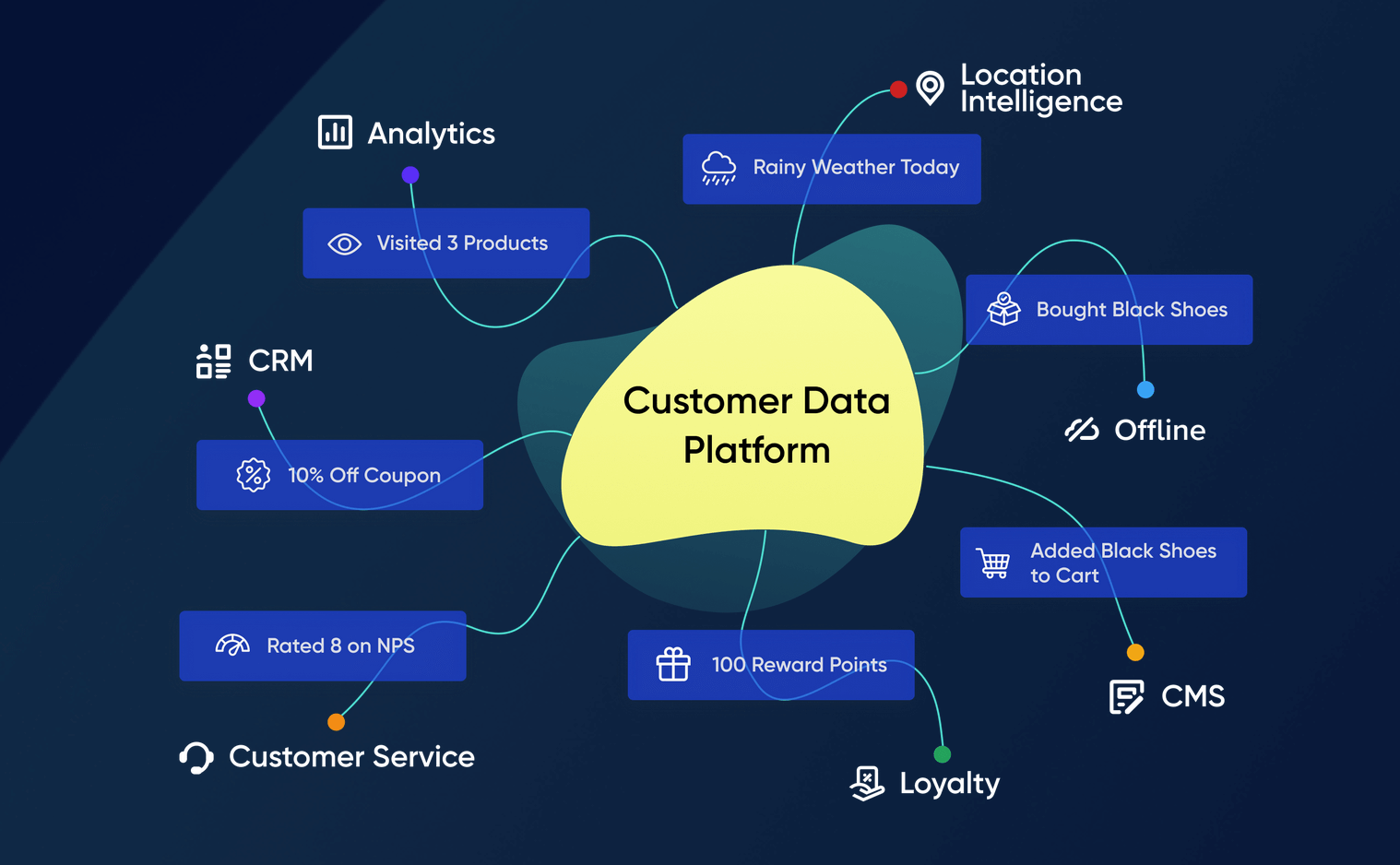
eCommerce CDPs in particular:
- Support specific online shopping use cases, like anonymous visitor personalization and AI-powered product recommendations.
- Aggregate data from both online and offline sources. This helps online merchants who also have brick-and-mortar stores deliver consistent customer experiences across both touchpoints.
- Integrate with popular tools in the eCommerce ecosystem, like Shopify, VTEX, Yotpo, Drip, Google Analytics, and many others. This ensures consistent, real-time data flows and information accuracy.
It’s also worth noting that not all eCommerce CDPs are created equal. We can organize them into three distinct categories:
- Campaign (or Actionable) CDPs. These CDPs have built-in tools for activating your data across channels, creating consistent customer journeys, and analyzing campaign results. They can specify tailored treatments for individuals within a segment, like personalized messages, outbound marketing campaigns, real-time interactions, or product and content recommendations. This makes them a great choice for unifying your marketing stack, overcoming data silos, personalizing all customer touchpoints, and orchestrating and analyzing cross-channel journeys.
- Data CDPs. These more traditional CDPs support additional use cases for developers, data scientists, and other technical teams, like data governance, standardization, and cleansing. However, they don’t have as many activation tools or channels, so they have to pass their data to downstream platforms for activation after it’s been aggregated and segmented.
- Analytics CDPs. As the name suggests, these CDPs offer advanced analytics capabilities. They’re a good choice for teams looking to analyze their unified data in-depth and use robust visualization tools and techniques. Similar to Data CDPs, most Analytics CDPs don’t have built-in channels or journey orchestration capabilities, so they rely on third-party integrations for data activation.
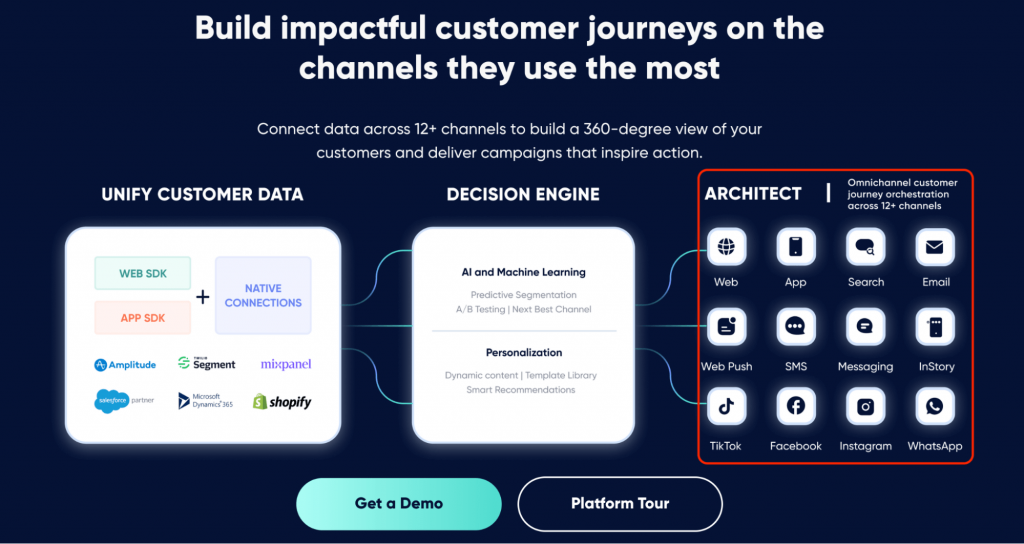
For example, Insider One is a Campaign CDP that offers data aggregation, segmentation, and identity resolution, alongside 12+ native channels, advanced personalization, and journey orchestration — all under the same umbrella.
Key benefits of using a CDP for eCommerce brands
eCommerce CDPs enable you to aggregate your data in one place and create detailed, 360-degree views of all customers via omnichannel identity resolution. They also have segmentation capabilities that can help you target the right audiences with each individual message and campaign.
Additionally, getting a clear understanding of your customers’ journeys helps you lay the groundwork for:
- Personalization. The better you understand your customers, the better you can be at tailoring the content, messaging, and product recommendations they see. That’s the reason why some CDPs also have built-in personalization engines that can analyze customer data and help marketers deliver personalized experiences at scale.
- Journey orchestration. Journey orchestration is the process of creating consistent and engaging experiences across all customer touchpoints. Like personalization, it’s also highly reliant on accurate customer data to understand which channels customers prefer, when they’re active, and more. Again, some CDPs come with customer journey builders that let you use your unified data to orchestrate high-converting, contextual journeys.
- Customer journey analytics. Online shoppers often use a plethora of channels during their lifecycle with your brand — from your website and mobile app to email, SMS, WhatsApp, and more. eCommerce CDPs help you keep track of all these interactions in one place. This ensures you can analyze the entire customer journey, including the touchpoints, channels, customer actions, and more, without missing valuable pieces of information.
- Predictive marketing. Predictive marketing is the process of anticipating what shoppers will do in the future, based on their purchase histories, demographic info, the technologies they use, and so on. Accurate customer data is the bedrock of this process. For example, Insider One’s AI-powered intent engine can help you target customers based on their likelihood to purchase, their affinity to discounts, and much more.
Lastly, having all customer information in one platform makes it easier to keep track of where it’s stored and how it’s used, which is essential for data management and complying with data privacy regulations like GDPR or CCPA.
Read more about the benefits of CDP and the use cases of CDP in detail.
Essential features to look for in an eCommerce CDP
eCommerce CDPs have a lot in common with regular CDPs: They aggregate data, create detailed customer profiles, and help you segment your audience. These features are a given, so when comparing eCommerce CDPs, look for ones that also offer:
- Data integrations and sharing with eCommerce tools. eCommerce stores use a plethora of tools that store customer data, like a website platform or CMS, an analytics tool, a loyalty solution, and more. It’s crucial for your CDP to be able to integrate with these systems either via a native connector or API so it can ingest and share customer data with them.
- Ease of setup and quality support. Implementing a CDP can be a lengthy process that requires a lot of marketing and development resources. You want to look for a solution that offers flexible setup options and an experienced support team to guide you through the process. This will drastically reduce the effort you need to put in and speed up your time-to-value.
- Anonymous visitor profiles. If you have an eCommerce store, chances are the majority of your traffic comes from anonymous visitors. The more of them you can convert, the better your marketing return on investment (ROI) will be. That’s why some CDPs like Insider One also create profiles for anonymous visitors and let you target them via website personalization and tailored web push notifications, without requiring any personal or contact information.
- Built-in activation tools. Again, traditional CDPs often don’t have any built-in tools and channels for data activation, so they have to pass their data to other solutions. This process overcomplicates workflows, and often makes martech stacks way too expensive. Finding an eCommerce CDP with plenty of activation tools and channels will help you avoid these problems and make the most out of your marketing efforts and budget.
Why Insider One is the leading eCommerce CDP for 2026
As we said earlier, Insider One is our industry-leading CDP that’s ranked as the best and easiest-to-use CDP by users on G2.
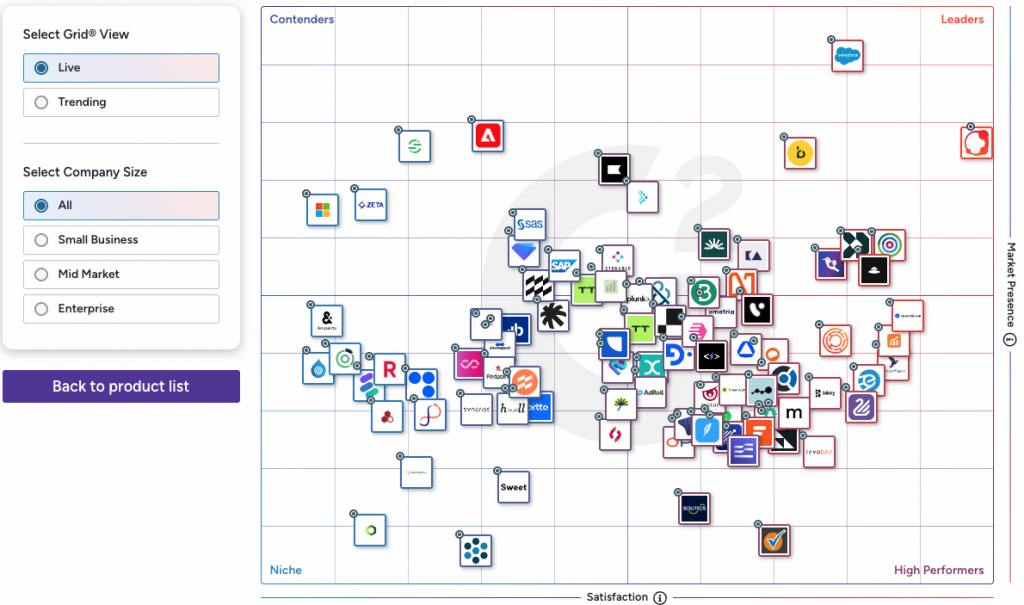
As a cross-channel marketing solution, Insider One brings together the most extensive set of personalization capabilities for websites and mobile apps, as well as for channels like email, SMS, web push, and WhatsApp.
As a result, our platform is also ranked as the top option across other categories, including:
- Multichannel Marketing Hubs by Gartner.
- AI-enabled marketing platforms by IDC.
- #1 G2 leader across 11 categories
Put simply, you can use Insider One to unify your eCommerce customer data, get a clear view of each shopper’s experience, and activate your data across all touchpoints. Below, we’ll explore how this process works and how it contributes to key eCommerce metrics, like conversions, revenue, CAC, AOV, and more.
Unify data from any online or offline source
Insider One’s Integration Hub enables you to connect to and gather information from 100+ popular data sources across categories like eCommerce, marketing automation, ads, analytics, and many more.
Some of our most popular integrations include:
- eCommerce platforms, like Shopify (including Shopify Plus), VTEX, and Akinon.
- Widely used email marketing and customer loyalty tools, like Yotpo, Voucherify, and Mailchimp.
- Marketing analytics software, like Google Analytics, Amplitude, and Mixpanel.
- Customer relationship management systems (CRMs), like Salesforce, HubSpot CRM, or Microsoft Dynamics CRM.
- Data warehouses and storage systems, like BigQuery and Amazon S3.
- Ad networks, like Google, Facebook, and TikTok ads.
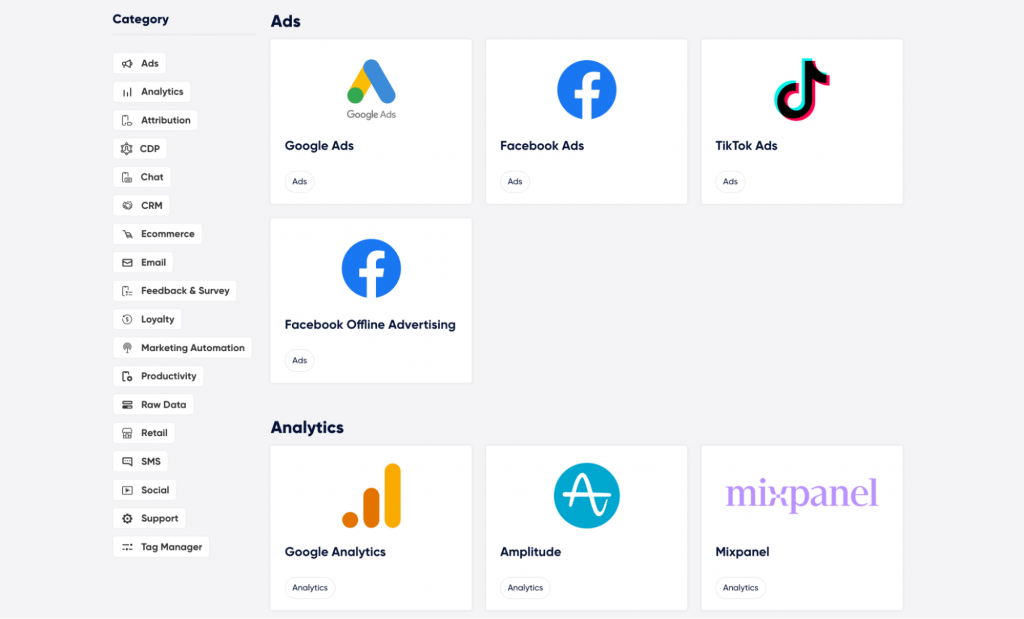
Plus, Insider One’s flexible API lets you integrate and collect data from any other system — like a data management platform (DMP) or a legacy solution — into our CDP. In short, Insider One aggregates data from any online or offline source, so all your customer information can be stored and ready for use in one place.
Get accurate 360-degree customer profiles (including for anonymous visitors)
Once your data is unified, Insider One creates detailed, 360-degree profiles of all your customers. These profiles contain everything you need to understand your customers’ behavior and create marketing campaigns that are tailored to them.
For example, the image below shows a unified customer profile in Insider One containing:
- The customer’s name, demographics, and contact info.
- Predictive characteristics, like likelihood to purchase or engage.
- Behavioral data, like interactions with your website or messaging channels.
- And other key characteristics and metrics.
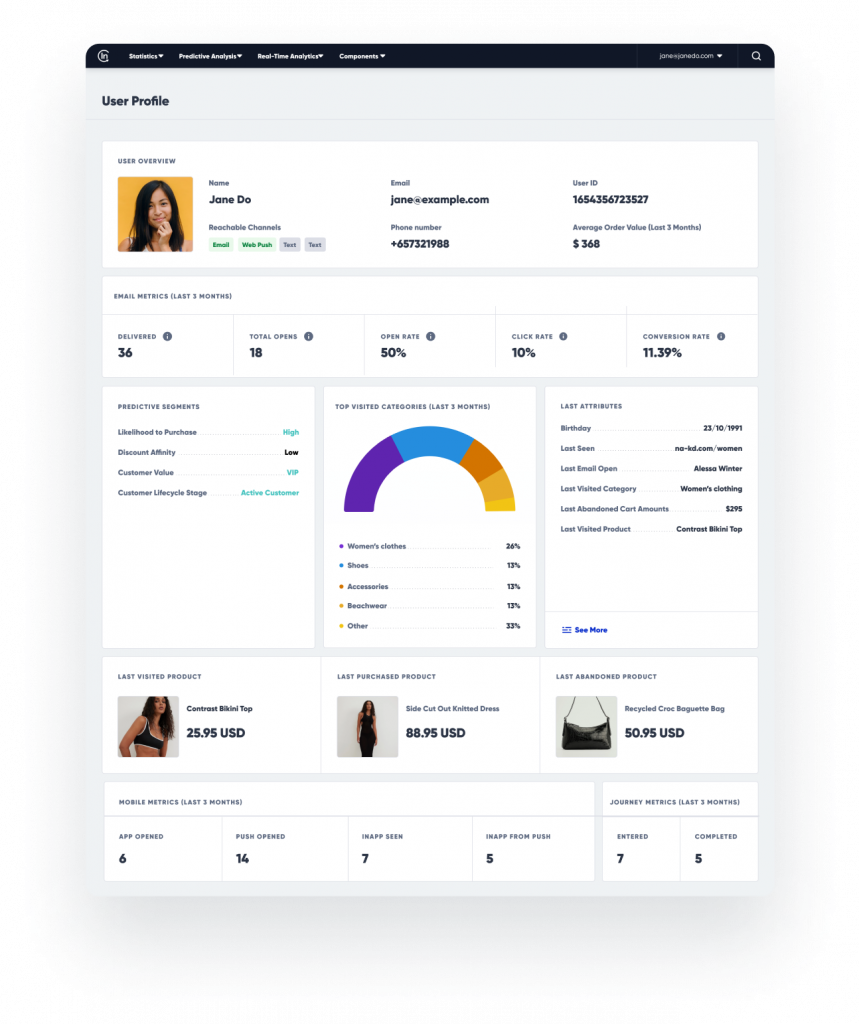
Insider One also creates similar profiles for anonymous visitors browsing your website. These profiles don’t contain contact information, but they show everything visitors do on your site, including the categories, attributes, and products they show interest in.
Thanks to Insider One’s web personalization suite, you can begin to tailor their on-site experience and send them tailored web push notifications with relevant products.
Insider One can also help you utilize cookies personalization by triggering personalized onsite experiences based on contextual data (like device type or page URL) without needing any user information.
For example, you can:
- Create urgency with time-dependent campaigns on your homepage.
- Build confidence in users with a Social Proof campaign on product pages.
- Add a “Top Searched Keywords” campaign on your category pages to ensure users get what they’re looking for in one click.
- Deliver product-based recommendations that don’t depend on user data by leveraging algorithms like “Similar Products”, “From the same seller”, and more.
This combination of techniques is extremely powerful for eCommerce stores because it enables them to:
- Increase website conversion rates, which helps maximize marketing spend.
- Convert visitors into paying customers much faster and cheaper, which reduces acquisition cost (CAC).
- Reduce cart abandonments with targeted web push notifications. For example, Carrefour used web push notifications to engage visitors who had abandoned their carts, resulting in a conversion rate uplift of 350% and an additional $11,000 within the first month of working with Insider.
Use AI-powered segmentation to target the right audiences for each campaign
Market segmentation allows you to home in on the right audiences for your campaigns and messages by grouping customers based on shared traits and behaviors. It’s a logical next step after data unification, which is why pretty much all CDPs have some customer segmentation capabilities.
Here’s how you can segment your audiences with Insider One:
First, you can start with plenty of automatically generated and updated audiences of users who abandoned their carts, abandoned a product page, interacted with your brand on a specific channel, uninstalled your mobile app, and much more.
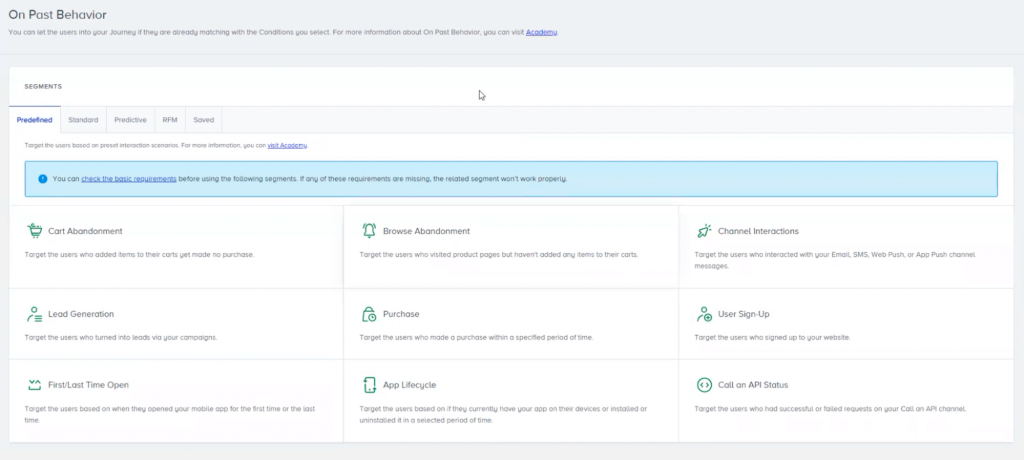
Then, you can get more granular with 120+ traits and characteristics, like locations, demographics, device types, CRM attributes, and more. Finally, you can use our AI-powered intent engine to target users based on their:
- Discount affinity.
- Likelihood to purchase.
- Projected lifetime value.
- And much more.
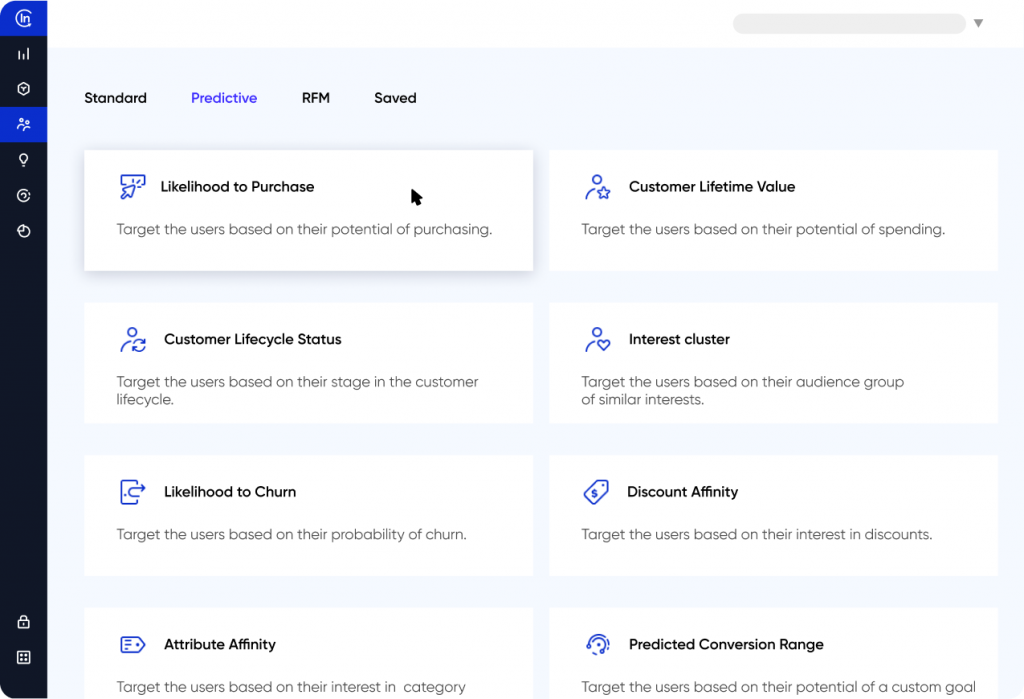
For example, you can use Insider One’s segmentation capabilities to only show discounts to customers with a high discount affinity. That way, you won’t waste your discounts (and lower your profit margins) on shoppers who would’ve bought a product without a discount.
Pierre Cardin used a similar predictive segmentation strategy to improve their online ad targeting. Thanks to Insider One’s broad segmentation features, the brand was able to:
- Improve conversions by 445%.
- Boost their return on ad spend (ROAS) by 164.83%.
- Reduce their cost per acquisition (CPA) by 67.95%.
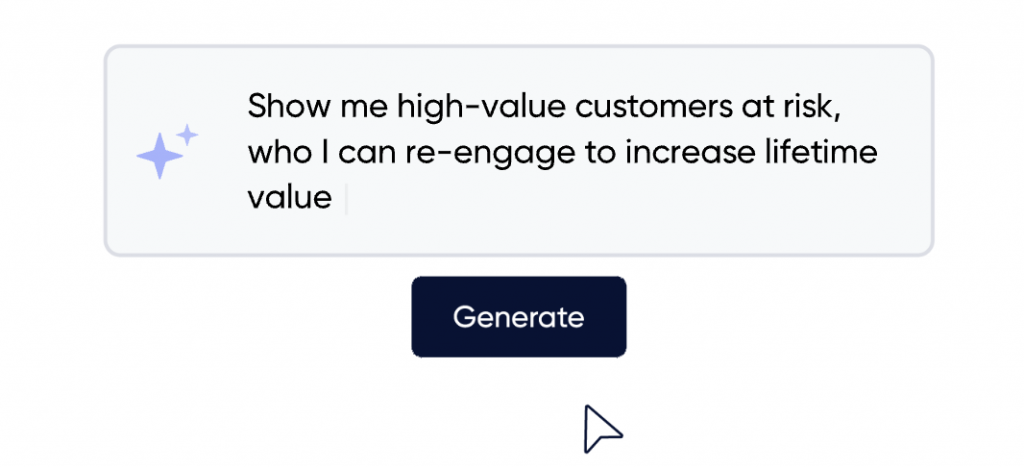
Lastly, you can also use Insider One’s Generative AI (called Sirius AI) suite to create audience segments in seconds using simple text prompts. Just tell Insider One what your business goals are (e.g., reducing churn), and it will create a relevant segment for you.
Personalize all customer touchpoints and build cross-channel campaigns
Most traditional CDPs are focused on everything we described so far, including data aggregation, identity resolution, and segmentation.
However, they don’t have the necessary tools to actually activate that data across channels and use it to drive revenue. Instead, they rely on integrations and passing their data to downstream platforms. This overcomplicates marketers’ workflows when trying to activate their data by building campaigns across different channels.
That’s why Insider One brings together the most extensive set of personalization capabilities for websites and mobile apps, as well as for channels like email, SMS, WhatsApp, push notifications, and more. This means you can use our platform for unification, identity resolutions, and data activation.
Advanced personalization and broad channel support
Most eCommerce businesses spend a large amount of their marketing budget on getting people to their websites and mobile apps. The more of these visitors they’re able to convert, the better their marketing ROI, which is critical with today’s rising ad costs and unpredictable economic environment.
The best way to do this is by personalizing your website and mobile app. That’s why Insider One lets you tailor every element — including content, messaging, and product recommendations — to each visitor’s preferences, interests, and needs.
For example, you can implement a personalization strategy in a few quick steps. First, you decide where you want the personalized product recommendations to appear — on all pages, just on product or article pages, on category pages, or on cart pages.

Then, you can choose from plenty of recommendations strategies, including:
- User-based, where our algorithms analyze user behavior to automatically show the most appropriate products to each individual visitor.
- Cookie-free, where our AI only analyzes product data to deliver different types of recommendations, like top sellers, most popular, frequently bought together, and more.
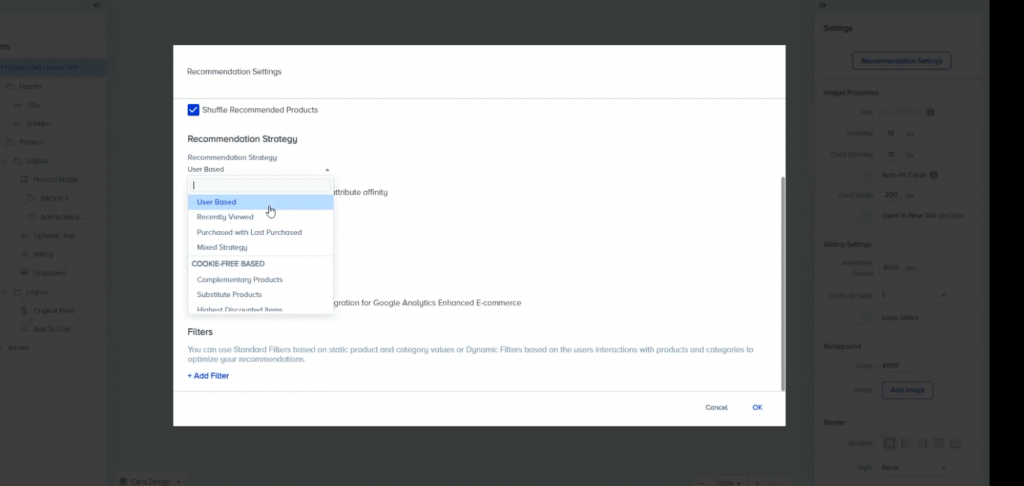
You can mix and match different types of strategies, while letting our algorithms detect and automatically apply the best-performing ones. And since this is all based on your unified data, you can be sure that the products shown to each customer will be as relevant as possible.
For example, Spotlight Retail Group used Insider One’s CDP to unify their data, which enabled them to launch on-site and web push personalization much faster and without heavy reliance on their IT teams. They were able to slash their campaign launch times by 80% and achieve a 37x ROI in less than a year of working with Insider.When it comes to website personalization and engagement, Insider One can also deliver personalized site search results (via EUREKA) and Instagram-like stories (via InStory). Both of these tools can help you drastically reduce bounce rates, keep your visitors engaged, and generate more revenue.
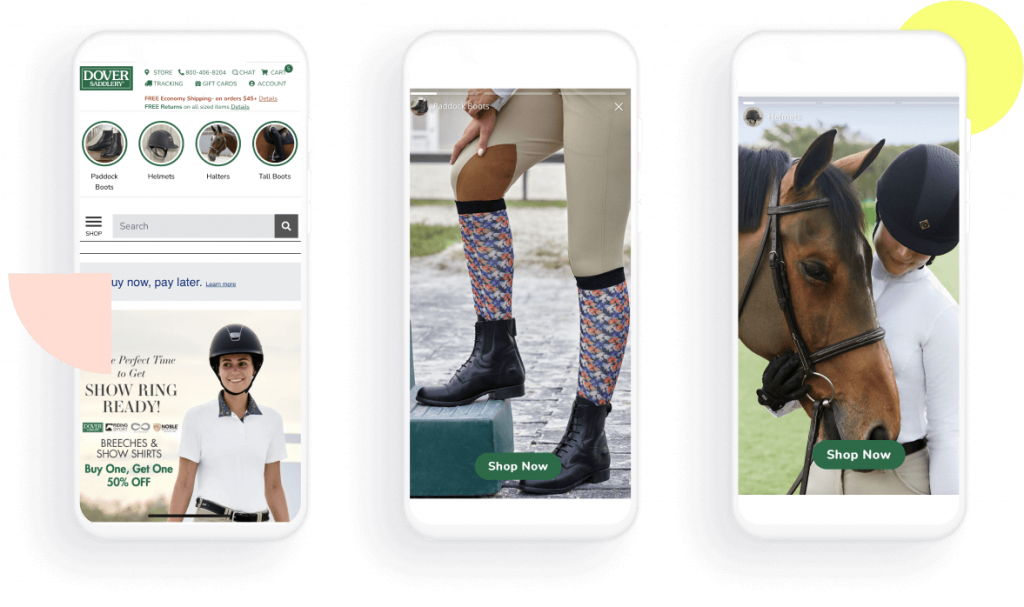
You can also use Insider One to improve customer engagement, conversions, and revenue even more by expanding your personalization efforts across all other touchpoints, including:
- SMS
- Push notifications
- Social media and search ads (e.g., across Google, Facebook or Instagram).
- And more
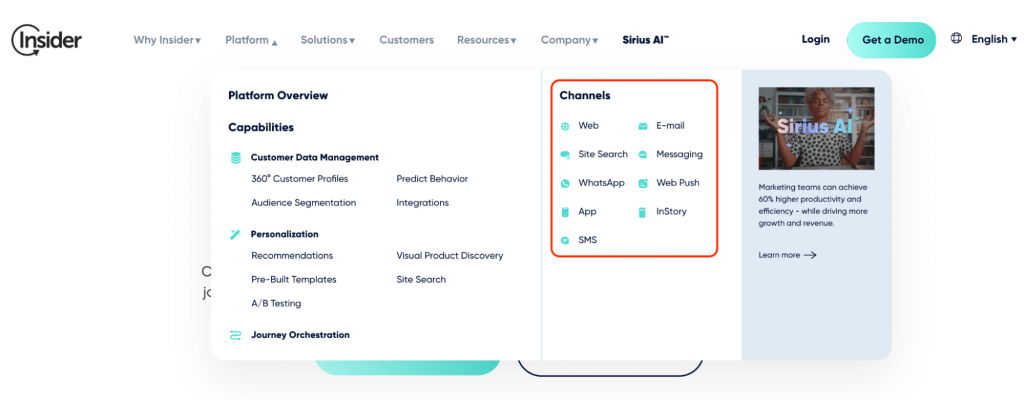
The broad channel support and extensive personalization capabilities enable you to consolidate your marketing stack, maximize your efforts, and make the most out of your marketing budget. This makes Insider One one of the best and most versatile enterprise marketing platforms.
Intuitive customer journey builder
Using multiple channels to communicate with customers quickly gets overwhelming. That’s why Insider One offers Architect — a simple and intuitive customer journey builder that helps you create consistent experiences across all touchpoints.
For example, eCommerce sports brand Slazenger used Architect to build personalized campaigns across their website, email, push notifications, and SMS. These campaigns resulted in a 700% increase in customer acquisition and a 49x ROI in just eight weeks.
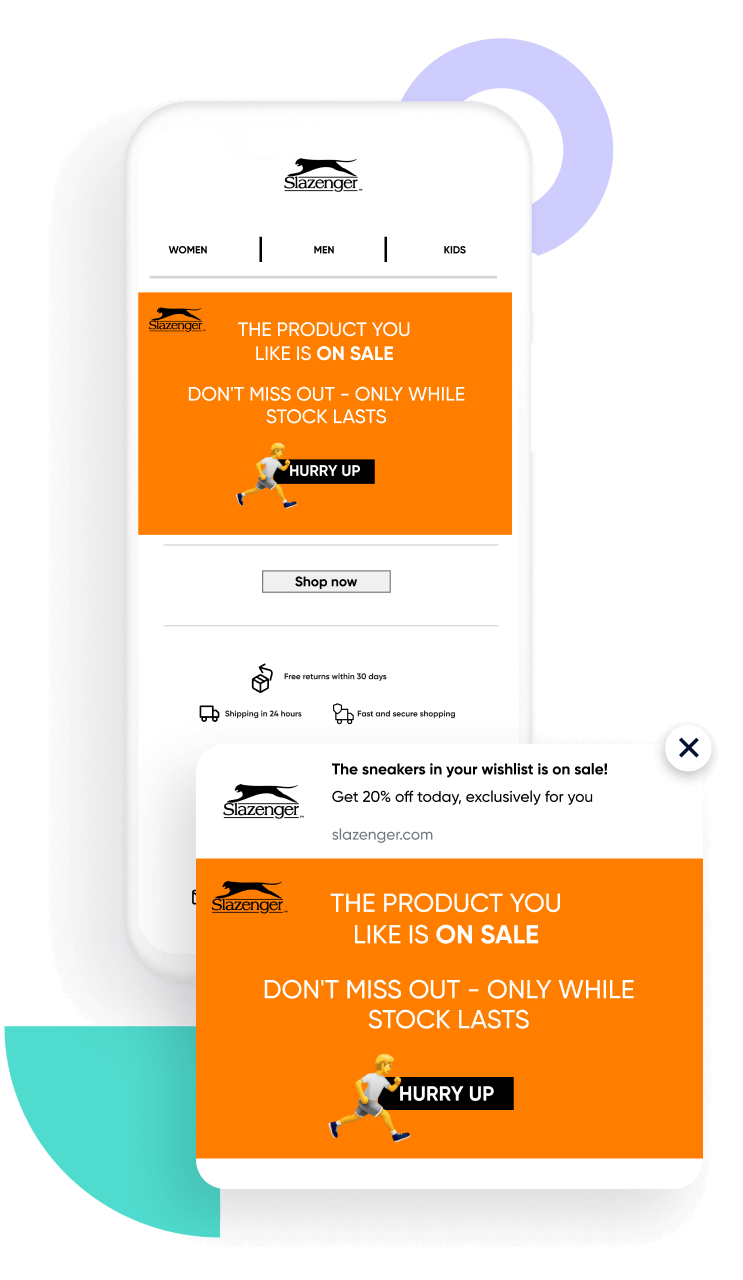
Here’s how Architect works:
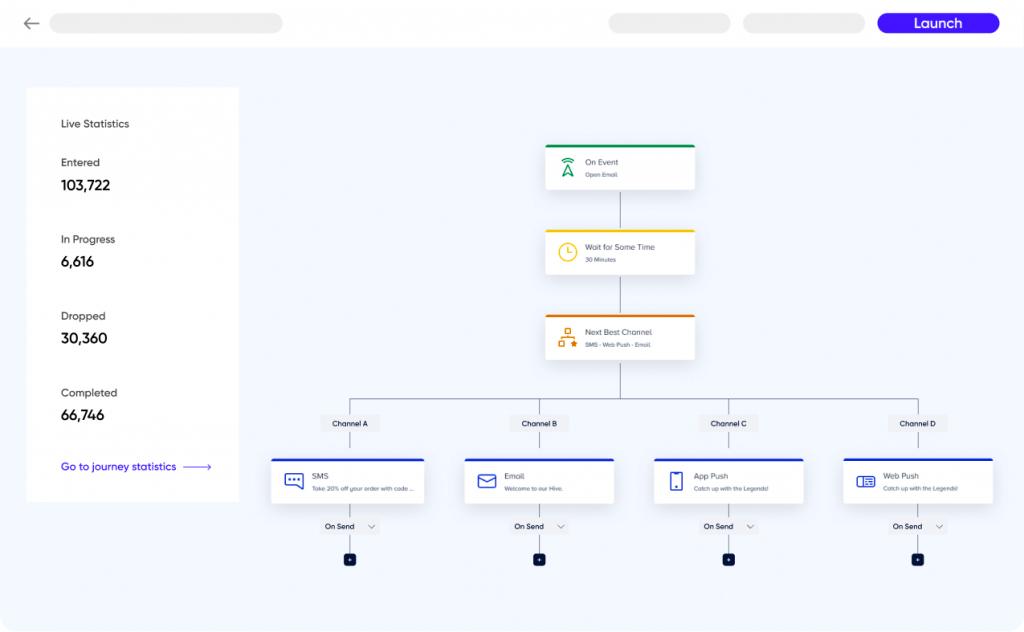
You use a simple drag-and-drop editor to choose how each journey starts and unfolds. For example, you can start journeys based on events performed by users (e.g., successful purchases), attribute changes, price drops, restockings of popular items, and much more.
One option that’s very useful for some eCommerce stores is to build journeys based on dynamic dates. These journeys are great for celebrating customer milestones (like birthdays or anniversaries) or running replenishment campaigns for products that are bought on a regular schedule.
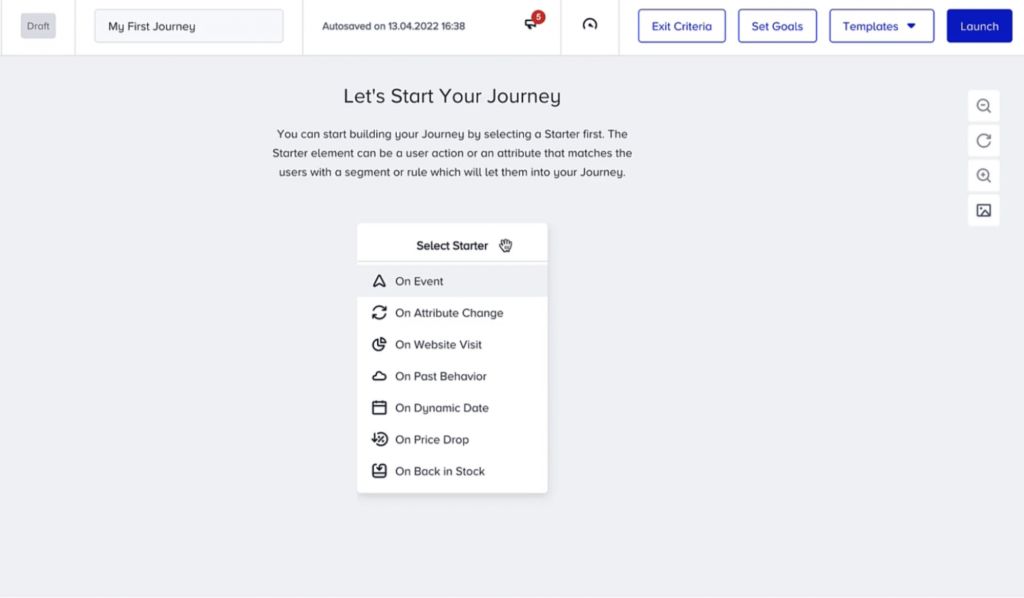
You’re also in full control of how each journey unfolds by choosing channels and wait times, setting various conditions, and much more. Check our guide to the top marketing automation platforms for a deeper dive into this topic.
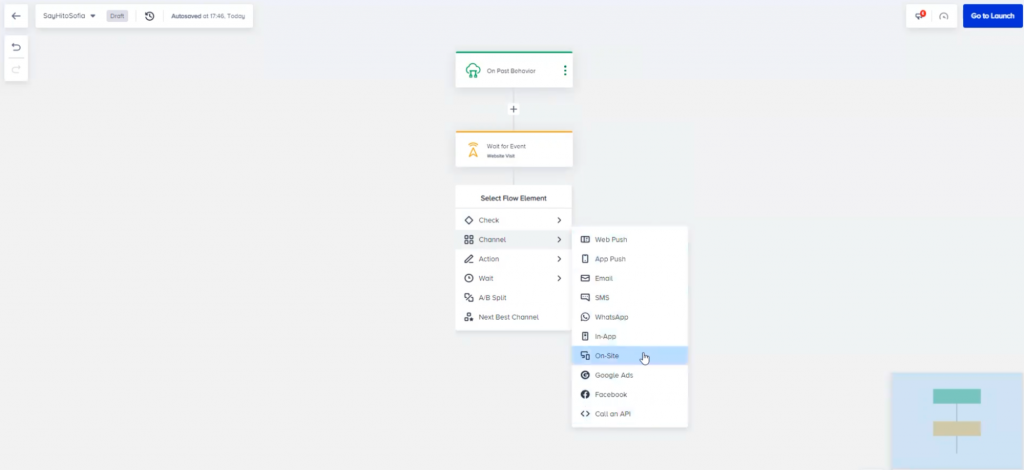
Insider One also offers built-in A/B testing, so you can compare different aspects of each message and campaign. For example, you can experiment with subject lines, copy text, images, and even entire journey flows (e.g., email vs. SMS) to determine which ones produce more clicks, conversions, and revenue.
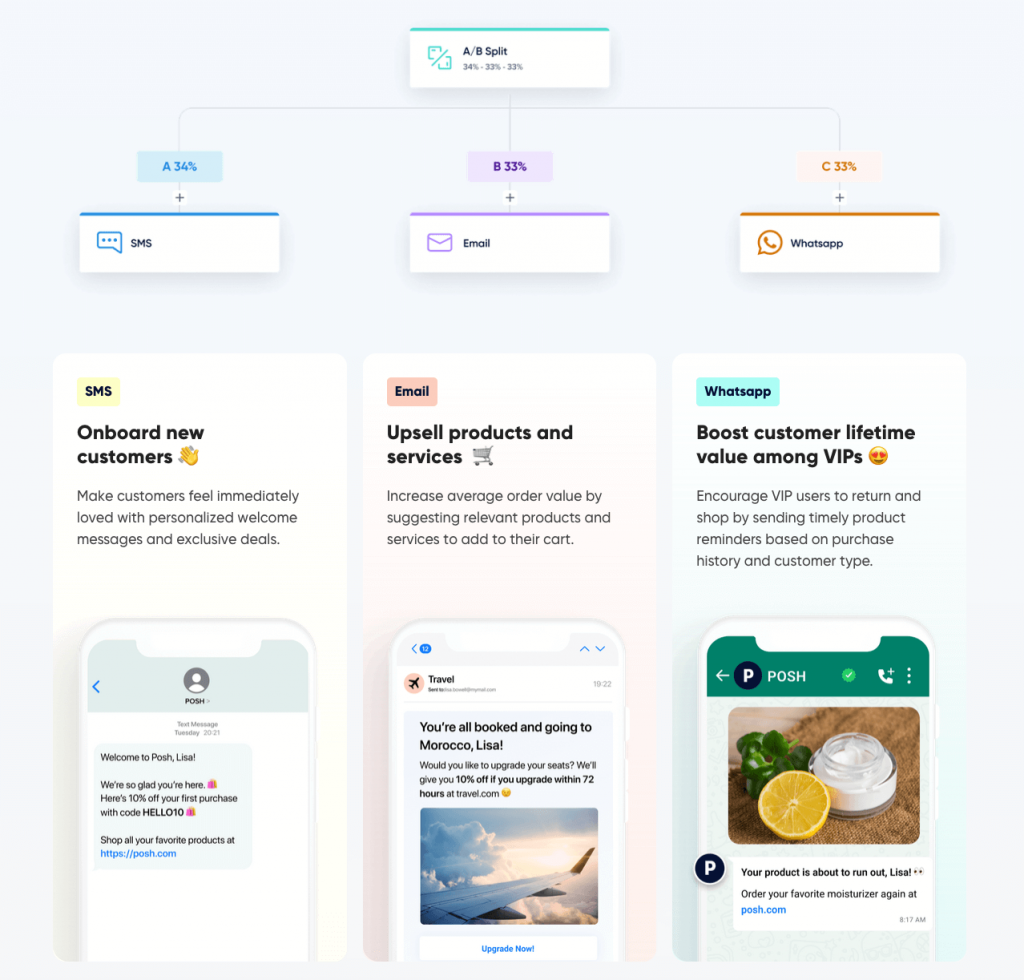
Additionally, Insider One’s AI algorithms can do a lot of the heavy lifting when it comes to building and optimizing your journeys. For example, you can rely on them to ensure that every message you send is:
- Relevant: As we said, our platform can automatically deliver personalized content, messaging, and product recommendations to each customer across your website, mobile app, email, push notifications, SMS, WhatsApp, and all other touchpoints.
- Timely: Our Send-Time Optimization feature determines the right time to contact each customer and automatically sends them messages at that time.
- Sent on the right channel: The Next-Best Channel feature analyzes recipients’ behaviors to find out which touchpoint is best in each scenario.
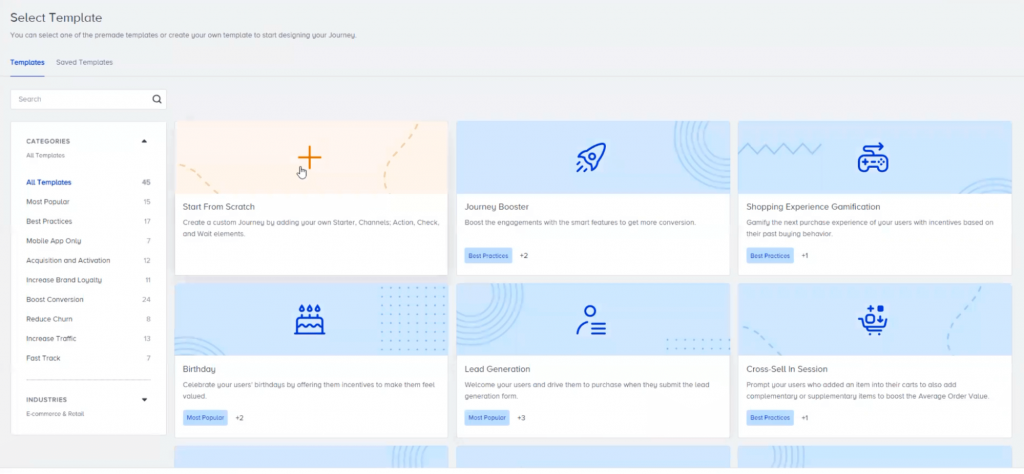
You also don’t have to start each journey from scratch as Insider One comes with a vast library of proven templates. These cover tons of data activation use cases and channels, like generating leads, celebrating milestones, driving revenue, and more.
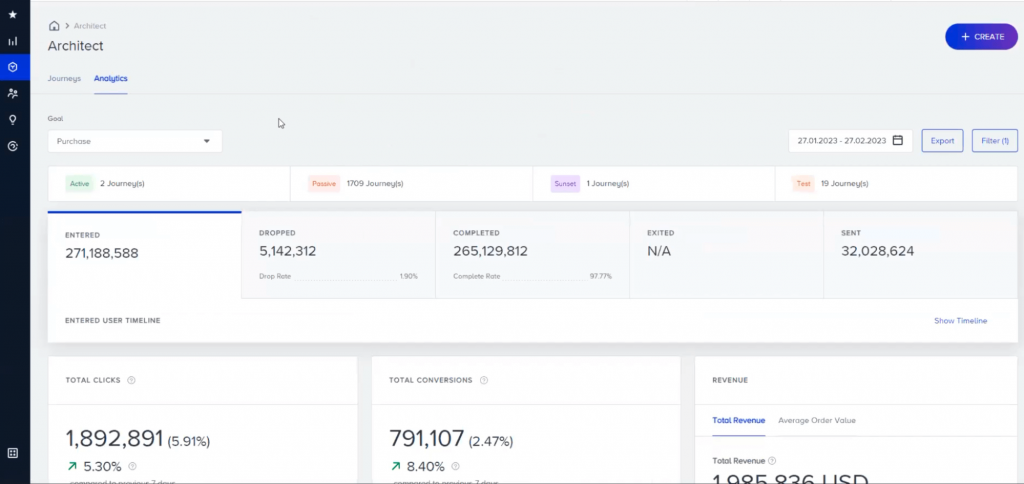
You have a dedicated Architect analytics panel that gives you a high-level overview of all journey stats and metrics. From here, you can drill down into individual journeys (and journey steps) if you need a more granular look into how a specific marketing strategy is performing.
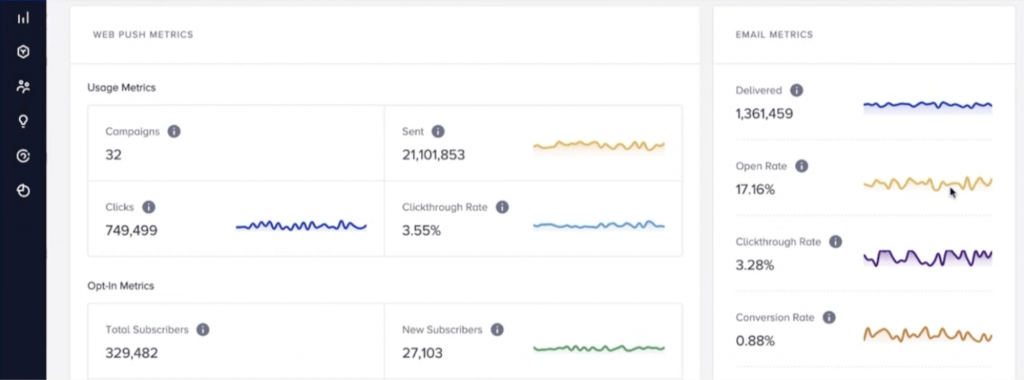
Lastly, you can drill down into specific channels to analyze their performance. For instance, you can easily see email open and click rates, web push click-through rates (CTR), SMS opt-ins and opt-outs over time, and much more.
Aggregate your data and drive more revenue with Insider One’s eCommerce CDP
Insider One is an ideal CDP and personalization platform for midsize and enterprise eCommerce companies. Marketing teams at 1200+ brands, like Adidas, Samsung, GAP, MAC Cosmetics, and Philips, use Insider One to:
- Unify first-, second-, and third-party data from any online or offline source — including CRMs, CMSs, APIs, POS devices, analytics software, and more — and get accurate, 360-degree customer profiles.
- Achieve massive marketing ROI as fast as possible. Insider One’s broad channel support, ease of use, proven templates, and experienced customer support team make it much easier and faster to aggregate your data and use it to drive conversions, revenue, and retention.
- Overcome data silos and save resources. Insider One’s built-in activation channels enable brands to unify their marketing stack into a single, enterprise-grade platform. There’s no need to buy, learn, and manage separate channel-specific solutions.
- Tap into the full marketing power of machine learning and AI. Our solution offers a unique mix of traditional, conversational, and generative AI capabilities for personalization, workflow optimization, journey orchestration, and tons of other use cases.
- Personalize every customer touchpoint. Insider One’s advanced personalization suite can tailor content, messaging, and product recommendations across websites and mobile apps, as well as channels like email, push notifications, SMS, WhatsApp, chatbots, and more.

Keep Reading
4 min.

Chris Baldwin
3 Feb 2026
9 min

Muharrem
23 Dec 2025
10 min.
Muharrem
11 Oct 2024