

 Platform Overview

 Integration Hub

 Sirius AI™

 Customer Data Management

 Personalization

 Journey Orchestration

 Reporting & Data

 Behavioral Analytics

 Web
Web

 Email
Email

 Site Search

 Conversational CX

 WhatsApp

 Web Push

 InStory

 App
App

 SMS & RCS

 Join the $0 Migration Movement™

 The Insider One Difference

 Compare Vendors

 Switch to Insider One

 Success Story

 Retail & Ecommerce

 Financial Services

 Travel & Hospitality

 Beauty & Cosmetics

 Automotive

 Telecommunications

 Interactive Platform Tour

 Blog
Blog

 E-Books & Guides

 Glossary
10 High-Converting Abandoned Cart Email Examples for 2026

Updated on 2 Feb 2026
5 min.
Table of Contents
Most Popular


Here’s the reality: shoppers fill their carts, and then they vanish.
Nearly 70% of online shopping carts get abandoned. That’s not just a stat. It’s millions in lost revenue every year.
Abandoned cart emails change that. They’re one of the most reliable ways to recover lost sales, and they consistently outperform standard email campaigns.
In this post, we’ll walk through 10 high-converting abandoned cart email examples your team can use to capture more revenue. Let’s get started.
Understanding the reasons behind cart abandonment
Before we jump into examples, let’s ask the important question: why do people abandon carts in the first place ? An abandoned cart email is your response to a moment of hesitation. Understanding that hesitation helps you craft messages that actually land.
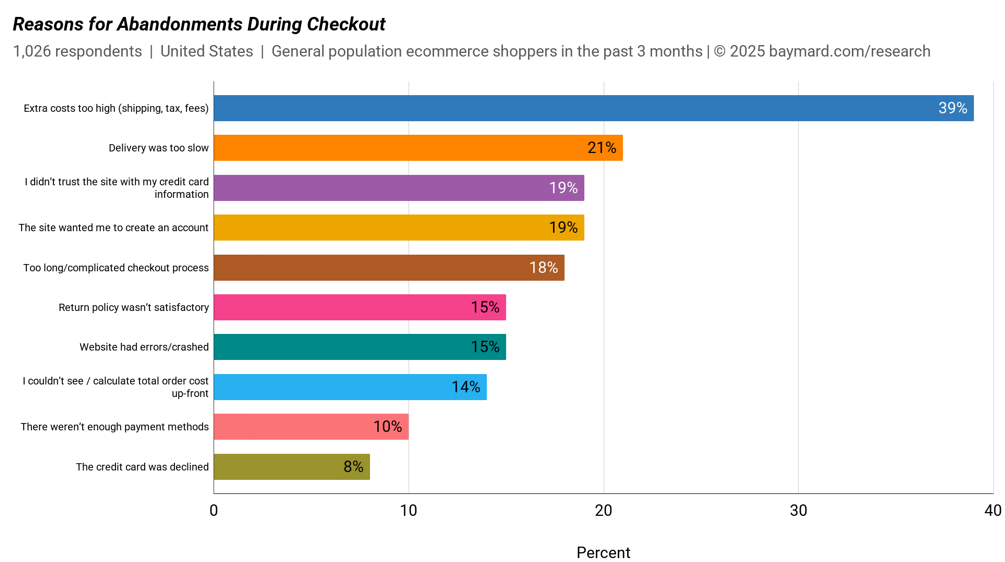
Shoppers leave carts behind for all kinds of reasons. Research from the Baymard Institute shows that the top reason is unexpected costs like shipping, taxes, or additional fees. More than half of shoppers abandon their carts when the final price exceeds what they expected.
Checkout friction plays a major role, too. Long forms, forced account creation, or too many steps frustrate shoppers enough to make them give up. And then there are the everyday interruptions: a phone call, a notification, or simply deciding to “think about it later.”
Top reasons for cart abandonment during checkout
This is why sending the same follow-up to everyone rarely works. The best results come when emails are personalized based on the specific roadblock each shopper faced.
That’s where understanding behavior in real time becomes valuable. If you can see what made someone leave, you can respond with a message that actually speaks to them.
Platforms like Insider One make this possible by tracking cart abandonment triggers in real time, segmenting customers based on their behavior, and sending the messages most likely to bring them back.
What Makes an Abandoned Cart Email Work
Here’s what goes into an abandoned cart email that actually converts:
- Engaging subject line: The subject line is the first thing customers see, so it should be short, clear, and slightly intriguing. It needs to spark curiosity or create urgency without feeling like clickbait.
- Personal touches: Using a customer’s name, showing the exact product they left behind, or suggesting a similar item makes the email feel personalized and relevant.
- Smart urgency: Gentle urgency works best. Remind shoppers that stock is limited or that an offer is ending soon.
- Thoughtful incentives: Free shipping or a small discount can help overcome cost barriers. The key is knowing when to use them so you’re not giving away more than necessary.
- A clear next step: Whether it’s “Complete your purchase” or “Return to your cart,” the call to action should be obvious and easy to click.
- Mobile-friendly design: Most shoppers access carts on their phones, so emails need to load quickly, display products clearly, and guide users back to checkout without friction.
10 high-converting abandoned cart email examples
Now that we’ve covered the basics, let’s look at some of the best abandoned cart emails. Each example highlights a different approach you can adapt to your own campaigns:
1. Simple reminder email
Sometimes the most effective nudge is the simplest one. This email works because it doesn’t try too hard. The subject line, “Need more time? Your e-bike is still here (for now),” acknowledges that the customer may have hesitated and reassures them that their cart is still waiting.
The focus here is reducing friction and keeping the purchase top of mind. There’s no heavy discounting or long-winded persuasion. Just a clear reminder that says, “Hey, we saved this for you.”
This type of abandoned cart email strategy works especially well as the first touchpoint in a cart recovery sequence. At this stage, many shoppers have abandoned their carts due to distractions or timing rather than strong objections. A simple, timely reminder is often enough to bring them back.
2. Incentive/Discount Email
High costs are one of the main reasons shoppers abandon their carts, which is why a well-timed incentive email can make a real difference. What stands out here is how the discount is framed around the shopper’s own interest with the line, “That piece you loved.” It feels like the brand noticed what mattered to the customer and made it easier to say yes.
A small price reduction, even for a limited time, removes one of the biggest obstacles to completing a purchase. It also strikes the right balance between value and timing: customers feel they’re getting a better deal while understanding that the opportunity won’t last forever.
Quick Tip: Reserve this type of email for customers who haven’t converted after reminder emails, so you don’t train shoppers to always wait for discounts.
3. Social proof email
Shoppers often pause and ask themselves, “Is this really worth it?” That moment of doubt is where social proof emails do the heavy lifting. Instead of the brand promoting itself, this Rebel Rabbit example lets real customers make the case through reviews.
Even the line, “See what the buzz is all about,” is engaging. It invites shoppers to open the email and discover why others are excited about the product.
The real power here is validation. When customers see others buying, using, and recommending a product, they feel more confident in their decision. For any shopper hesitating at checkout, that reassurance can provide the extra nudge needed to complete the purchase.
4. Urgency/scarcity email
Sometimes shoppers reach checkout and simply pause. That’s where this type of email works its magic. By using the line, “They’re going fast,” it creates a friendly sense of urgency that encourages action without feeling pushy.
The strength of this approach comes from scarcity and FOMO. People naturally pay more attention to items that seem limited, so showing that a product is popular or almost sold out encourages faster decisions. It works best when stock is genuinely low or a product is in high demand.
Quick Tip: Urgency works best when it’s real. Avoid creating false scarcity, as this can damage trust. Once trust is lost, it’s tough to regain, so reserve this tactic for products that genuinely sell quickly.
5. Product recommendation email
An email offering alternate options for the product the customer added to the cart
Not every shopper abandons a cart because they lost interest in a product. Sometimes they’re simply unsure if it’s the right fit. That’s where this type of email becomes valuable.
Instead of only reminding shoppers about what they left behind, it suggests similar or complementary items. It feels less like a sales push and more like a helpful friend saying, “If that wasn’t quite it, maybe this will be.”
The psychology behind this approach is personalized discovery. You’re presenting shoppers with new options that keep them engaged with your brand. It’s especially effective when you want to reignite interest without relying on discounts or heavy urgency.
Quick Tip: Personalization works best when it feels relevant. Use browsing history, past purchases, or items left in the cart to recommend products your shoppers are likely to love. Avoid generic suggestions, as they can feel impersonal and reduce engagement.
6. Personal story or brand message email
This email stands apart from the rest. It doesn’t rely on urgency, promotions, or eye-catching product images. Instead, it shares the story of Veja opening its first store in Brazil, its place of origin, and invites the customer to join the brand’s journey.
The tone is authentic and reflective, turning a simple cart reminder into an opportunity to connect over shared values.
Through storytelling, the brand builds an emotional connection. This approach works best when customers are interested in the brand’s mission and the story behind its products.
Quick Tip: Use storytelling to build an emotional connection with your audience. Share your brand’s values, origin story, or mission to make your emails feel personal and meaningful. This approach works best for customers who care about your brand’s purpose, not just the products.
7. Multi-step email series
Think about the last time you ignored a brand email. It probably wasn’t because you weren’t interested, but because the timing wasn’t right. That’s why a single cart reminder often falls flat. A series of emails, on the other hand, gives you the opportunity to pace the conversation.
The first message can be a friendly reminder, the second can introduce urgency, and the third might offer free shipping or a small discount.
Each touchpoint meets the shopper where they are, rather than relying on a single attempt. What makes this approach effective is that it feels more like a dialogue than a broadcast, gently checking in until the moment is right.
Quick Tip: Plan a sequence of two to three emails over several days. Start with a reminder, follow with urgency or personalized recommendations, and finish with a small incentive to encourage conversion.
8. Mobile-optimized email
Most abandoned carts happen on mobile, yet many recovery emails are still designed for desktop. A mobile-optimized email changes that.
Short subject lines that don’t get cut off, bold calls to action that are easy to tap, and layouts that load quickly on smaller screens all make the difference between a shopper clicking through or swiping away.
This approach is subtle but effective. Shoppers may not consciously notice the design, but they will notice how easy it is to take action. The key trigger here is convenience.
By removing friction on the device where most drop-offs occur, you make the checkout process feel effortless again.
Quick Tip: Always design with mobile users in mind. Keep subject lines short, make buttons large and easy to tap, and ensure images and layouts load quickly. Reducing friction on mobile can significantly increase click-through and conversion rates.
9. VIP or loyalty-based email
Imagine receiving an email that says, “We appreciate you! That’s why here’s 20% off your next order.” That is exactly the feeling this VIP-style email creates.
It does not rely on urgency or steep discounts to win over someone new. Instead, it communicates gratitude, helping your best customers feel recognized and valued.
The power of this approach comes from exclusivity and reciprocity. When customers feel acknowledged, especially through a personalized offer, they are more likely to return the goodwill by completing their purchase.Quick Tip: Reserve loyalty or VIP-style cart emails for existing customers. Sending them to first-time shoppers can feel confusing or insincere. For loyal buyers, however, this approach is an excellent way to make them feel appreciated and encourage repeat purchases.
10. Feedback request email
A subject line like “Oops… What Did We Do Wrong?” feels honest and approachable. It does not pressure the customer to act; it simply opens the door to a conversation.
This type of email works by showing that you care. By asking for feedback and offering a small thank-you, you signal that the customer’s opinion matters and that you are listening. It turns a missed purchase into an opportunity to learn and improve.
This approach is especially useful when you want to understand why someone did not complete their order, whether it was due to price, a confusing checkout, or simply bad timing.
Quick Tip: Use these emails to gather insights, not just recover sales. Ask for feedback politely and offer a small incentive if appropriate. Understanding why customers abandon carts can help you improve the checkout experience and increase future conversions.
How Insider One’s platform enhances abandoned cart email performance
We’ve explored how different types of abandoned cart emails can nudge shoppers back, but executing them at scale is where things get challenging.
Sending one or two abandoned cart emails manually is easy. Doing it for thousands of customers, in real time, and in a way that feels personal requires technology. Fortunately, modern personalization tools like Insider One make it simple to trigger the right message, personalize it in real time, and keep the entire process running smoothly without constant manual effort.
Here’s how Insider One supports that:
- Sirius AI (personalization engine): Think of this as a smart assistant that tailors each email based on what shoppers actually browsed or purchased, even suggesting complementary items they might like.
- Real-time data synchronization: This keeps your system up to date the moment someone abandons a cart, allowing you to send timely and relevant reminders.
- Journey orchestration with Architect: This ensures everything flows smoothly. You can map out and automate each step, from email to web push, making sure customers receive the right message, at the right time, on the right channel.
The results are tangible. Take Slazenger, for example. By using Insider One’s Smart Segment Creator to identify and group high-intent audiences, they were able to personalize their abandoned cart flows with Sirius AI recommendations.
The Architect journey builder then automated multi-channel follow-ups, ensuring shoppers received timely nudges across touchpoints without any manual intervention.
With the Architect journey builder, multi-channel follow-ups are automated, ensuring shoppers get timely nudges across every touchpoint—no manual effort required.
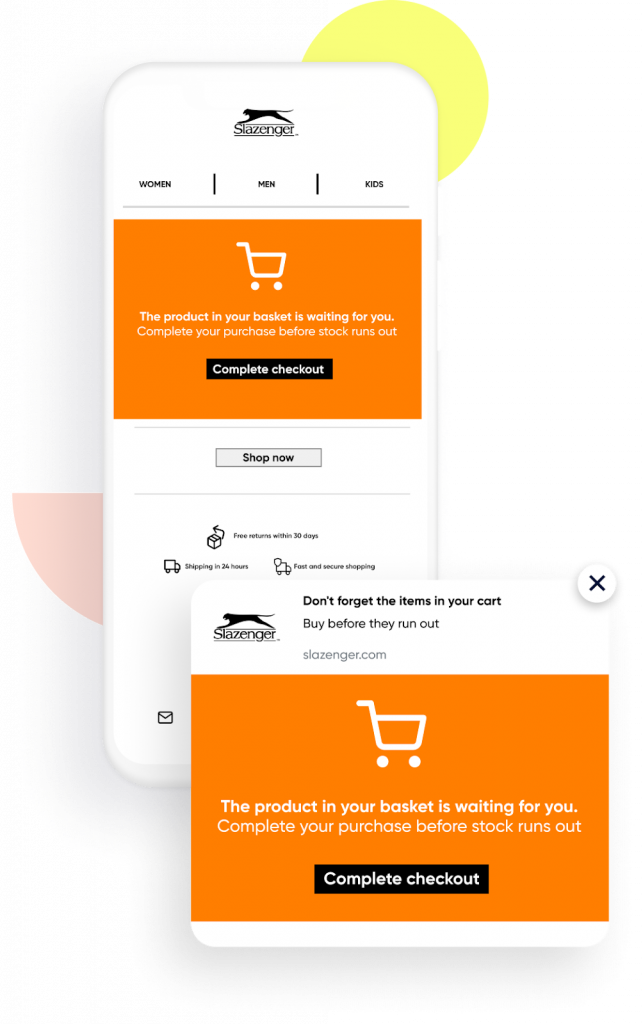
In just eight weeks, Slazenger recovered a significant share of lost revenue, achieved a 49× ROI, and saw abandoned cart campaigns deliver meaningful impact on both sales and customer engagement. Their success highlights how Insider One’s tools create a seamless, scalable system for turning intent into revenue.
Turn lost carts into loyal customers with Insider One
Abandoned cart emails are more than just a quick way to recover lost sales. When executed thoughtfully, they can help build lasting relationships with your customers. The best results come from testing, learning, and refining your approach over time.
Insider One makes this process simple. With AI-powered personalization and multi-channel orchestration, abandoned cart campaigns can not only recover revenue but also drive repeat purchases and foster customer loyalty.
Explore Insider One’s case studies to see how other brands achieve real-world results, and when ready, book a demo to discover how Insider One can transform lost carts into loyal customers.
FAQs
Use an engaging subject line, include the product left behind, and end with a strong call-to-action. The easier and more natural you make the next step, the more likely customers are to follow through.
Abandoned cart emails are automated messages sent to shoppers who added items to their cart but didn’t complete the purchase. The goal is to remind, re-engage, and encourage them to return and finish checking out.
Shoppers abandon carts for a mix of reasons. Common reasons include unexpected costs, such as shipping fees; a complicated or time-consuming checkout process; distractions; payment issues; or a lack of trust in the site.
Timing matters a lot. The first email usually works best if it’s sent within an hour of abandonment, while the intent is still fresh. A second reminder can follow within 24 hours, and a final nudge two or three days later often helps catch those who just needed more time.

Keep Reading
4 min.

Chris Baldwin
3 Feb 2026
9 min

Muharrem
23 Dec 2025
10 min.
Muharrem
11 Oct 2024